


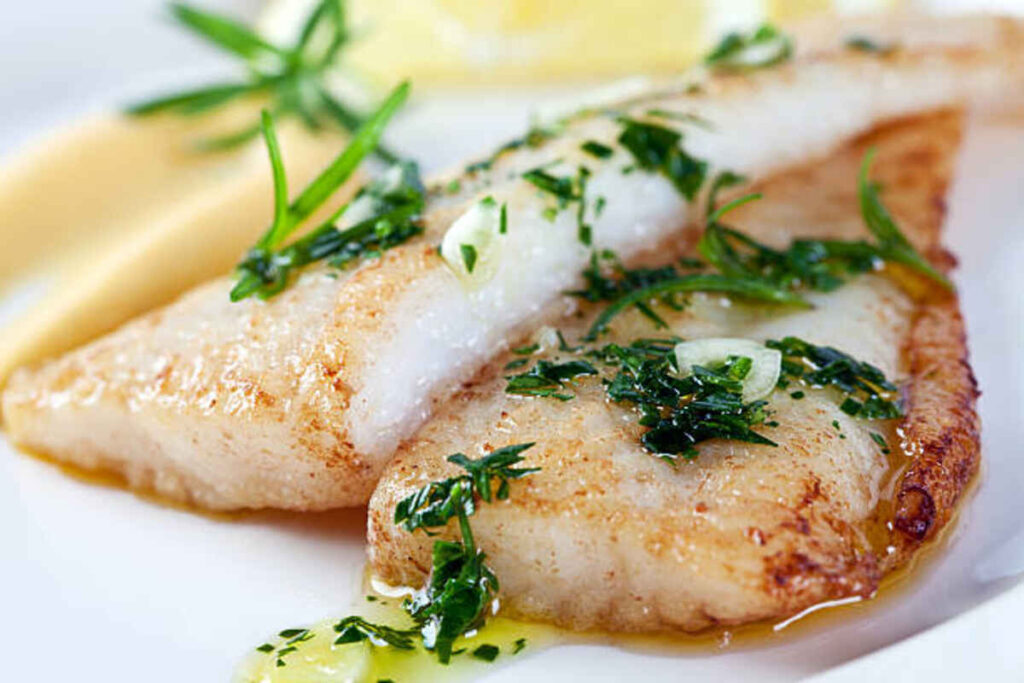
Best Cooking Techniques for Paplet Fish
Whether you know it as Pomfret, Bawal, or its immensely popular regional name, paplet fish is an absolute superstar in coastal kitchens worldwide. With its distinctive flat, diamond-shaped body, remarkably buttery texture, and sweet, mild flavor, it is no surprise that this fish commands a premium at seafood markets. Unlike many other marine fish, paplet has a single central bone, making it incredibly easy to eat and a favorite among seafood lovers of all ages.
But how do you transform this beautiful, delicate fish into a culinary masterpiece? If you have ever felt intimidated by cooking whole fish or wondered which spices pair best with its tender meat, you are in the right place.
This comprehensive guide will walk you through everything you need to know about paplet fish. From understanding its varieties and nutritional benefits to mastering the best cooking techniques, you will learn how to clean, prep, and cook this ocean delicacy like a seasoned chef.


Understanding Paplet Fish: An Overview
Before diving into the hot oil and aromatic spices, it helps to understand exactly what you are bringing into your kitchen. Paplet fish belongs to the family Bramidae (and Stromateidae, depending on the exact species). It is a perciform fish known for its lack of tough scales, making preparation delightfully simple compared to heavily scaled fish like snapper or bass.
The Science and Origin
To truly appreciate this ingredient, it helps to understand the pampus argenteus habitat and distribution. Pampus argenteus, commonly known as the Silver Pomfret, thrives in the coastal waters of the Middle East, South Asia, and Southeast Asia. It is a pelagic fish, meaning it swims in the middle or near the surface of the ocean, rather than resting at the bottom. This active lifestyle contributes to the fish’s lean yet incredibly tender muscle structure.
Silver vs. Black Paplet: What is the Difference?
When you visit a fishmonger, you will likely encounter two main varieties. Understanding the difference between black pomfret vs silver pomfret is crucial for deciding how to cook them.
- Silver Paplet (White Pomfret): This is the quintessential paplet fish. It has a shimmering, silvery skin, a delicate, flaky texture, and a remarkably sweet flavor. Because of its delicate nature, it is best suited for gentle cooking methods like steaming, pan-frying, and light grilling.
- Black Paplet Fish (Parastromateus niger): As the name suggests, this variety has a dark grayish-black exterior. The meat is slightly darker, firmer, and has a more robust, “fishier” flavor compared to its silver cousin. Because of its sturdy texture, black paplet holds up exceptionally well in rich, heavy curries, deep-frying, and intense tandoori roasting.
Taste Profile: Pomfret vs. Other Fish
If you are new to paplet, you might wonder how it stacks up against other popular coastal catches. A common pomfret vs surmai taste comparison reveals distinct differences. Surmai (King Mackerel) has a dense, meaty, and slightly oily texture with a bold, distinct flavor that stands up to heavy spices. In contrast, paplet fish is much lighter, flakier, and sweeter. It acts as a beautiful canvas for marinades without overpowering the dish with a strong marine taste.

Sourcing the Best Catch
The secret to a phenomenal seafood dish lies in the freshness of the primary ingredient. Cooking paplet fish requires a keen eye at the market.
Seasonal Availability
Understanding the seasonal availability of coastal seafood will ensure you get the best quality and price. In the Indian subcontinent, paplet is generally available year-round, but the catch is most abundant and flavorful just after the monsoon season (September to December). During the monsoon (June to August), fishing bans are often in place to allow marine life to breed, meaning fresh wild-caught paplet can be scarce and expensive.
Wild-Caught vs. Farm Raised
While wild-caught coastal pomfret is highly prized, aquaculture is stepping up to meet global demand. You might often see farm raised indian paplet fish for sale at larger supermarkets or specialized online seafood vendors. Farm-raised paplet is an excellent, sustainable option that offers a consistent size and quality, making it ideal for portioning in restaurants and home kitchens alike.
How to Buy Fresh Paplet
Whether you are buying black or silver, you must know the freshness indicators for saltwater fish. Never compromise on freshness, as spoiled fish will ruin your dish and pose health risks. Look for these signs:
- Clear, Bulging Eyes: The eyes should be crystal clear and plump, never sunken or cloudy.
- Vibrant Red Gills: Lift the gill flaps; the inside should be a bright, clean red, not brown or sticky.
- Firm Flesh: When you press the belly of the fish with your finger, the flesh should bounce back immediately. If the indentation remains, the fish is old.
- Oceanic Smell: Fresh paplet fish should smell like the clean, salty ocean breeze. If it has a pungent, strong ammonia or “fishy” odor, walk away.
- Intact Skin: The skin should be shiny and taut, with a natural metallic sheen.
Health and Nutrition: Why Eat Paplet Fish?
Beyond its mouth-watering taste, paplet is a nutritional powerhouse. Incorporating this seafood into your diet provides an array of health benefits, making it an ideal protein source for fitness enthusiasts, children, and the elderly.
Nutritional Breakdown
The nutritional profile of marine pomfret is incredibly impressive. A standard 100-gram serving of raw paplet provides:
- Protein: Approximately 18–20 grams of high-quality, easily digestible lean protein.
- Calories: Only about 90–100 calories, making it excellent for weight management.
- Vitamins: Rich in Vitamin B12 (vital for nerve function) and Vitamin D (crucial for bone health).
- Minerals: Packed with selenium, iodine, and calcium.
The Omega-3 Advantage
One of the most significant silver pomfret health benefits is its fat profile. While it is a relatively lean fish, the fats it does contain are highly beneficial. The omega 3 fatty acids in pomfret play a vital role in cardiovascular health. Regular consumption of Omega-3s helps reduce inflammation, lower triglyceride levels, improve brain function, and support healthy vision.
Addressing Mercury Concerns
A common question among health-conscious consumers is: is pomfret high in mercury? Fortunately, the answer is no. Because paplet fish has a relatively short lifespan and sits lower on the oceanic food chain compared to apex predators like shark, swordfish, or large tuna, it does not accumulate high levels of heavy metals. It is generally considered a low-mercury fish, making it safe for regular consumption, even for pregnant women and young children (when cooked thoroughly and consumed in moderation according to local health guidelines).

Kitchen Prep: Cleaning, Filleting, and Storing
Proper preparation is the bridge between a good recipe and a great one. Handling paplet requires a delicate touch to preserve its flaky meat.
Storing Your Catch
If you aren’t cooking the fish immediately, storing fresh fish in refrigerator correctly is vital to maintaining its quality.
- Do not wash it until ready to cook: Tap water can degrade the flesh and encourage bacterial growth.
- Keep it cold: Place the fish in an airtight container or a heavy-duty zip-lock bag.
- Ice it: Rest the bag on a bed of crushed ice inside a tray, and place it in the coldest part of your fridge (usually the bottom shelf).
- Time limit: Consume the fresh fish within 1 to 2 days maximum. For longer storage, freeze it at 0°F (-18°C), tightly wrapped in cling film and freezer paper to prevent freezer burn.
Step-by-Step: How to Clean Paplet
Learning how to clean white pomfret is a fundamental culinary skill. Because it lacks tough scales, the process is straightforward but requires a sharp knife or kitchen shears.
- Trim the Fins: Using kitchen shears, snip off the dorsal (top), pectoral (side), and pelvic (bottom) fins. Also, trim the tips of the V-shaped tail to make it look neat.
- Remove the Gills: Lift the gill cover (operculum) on the side of the head. Use your fingers or a small knife to pull out the red gills completely.
- Clear the Entrails: Paplet has a very small stomach cavity. Make a small, shallow incision from the bottom of the gills down to the vent (the small opening near the tail). Carefully scoop out the innards with your thumb or the back of a spoon.
- Wash and Drain: Rinse the cavity and the exterior of the fish under cold, running water. Ensure all bloodlines (the dark red lines near the spine) are washed away, as they can cause a bitter taste. Pat the fish completely dry with paper towels.
Filleting a Paplet
While paplet is traditionally cooked whole (on the bone), you might want boneless pieces for tacos, sandwiches, or kid-friendly meals. Here is how to remove fish bones for fillets:
- Place the cleaned fish flat on a cutting board.
- Using a sharp, flexible boning knife, make a vertical cut just behind the gills, slicing down until you feel the spine.
- Turn the blade horizontally, facing the tail. Keep the blade flat against the backbone and slice smoothly from the head to the tail. The meat will lift away in one diamond-shaped fillet.
- Flip the fish over and repeat the process on the other side.
- Tip: Paplet has very few pin bones, but run your fingers along the center of the fillet to check. If you feel any, pluck them out with fish tweezers.

Master Cooking Techniques for Paplet Fish
Paplet’s delicate flavor and tender flesh make it incredibly versatile. However, its delicate nature also means it can dry out quickly if overcooked. Here are the best culinary techniques to treat this fish with the respect it deserves.
1. Pan-Frying (The Crusty Exterior)
Pan-frying is arguably the most popular way to enjoy paplet fish. The goal is to achieve a crispy, spiced exterior while keeping the inside moist and steamy. Because the fish is flat, it cooks evenly and quickly in a pan.
- The Secret: Scoring the fish. Make deep, diagonal slits (about 1 inch apart) on both sides of the whole fish. This allows the marinade to penetrate deeply and helps the thickest part of the fish cook at the same rate as the thinner tail.
- The Coating: A dusting of semolina (rava) or rice flour before frying adds an irresistible crunch that contrasts beautifully with the soft meat.
2. Tandoori / Oven Roasting (The Smoky Char)
Roasting paplet in a tandoor (clay oven) or a conventional home oven yields a spectacular result. The high heat sears the outside, caramelizing the yogurt and spice marinade, while imparting a slightly smoky flavor.
- The Secret: A two-step marination process (detailed in the recipe section below). Double marination ensures the fish is tenderized from the inside out and coated in a thick, flavorful crust that won’t slide off during roasting.
- Temperature: Roast at a high temperature (400°F/200°C) for a short time to prevent the fish from drying out.
3. Steaming (The Delicate Asian Approach)
If you want to experience the pure, unadulterated sweetness of silver pomfret, steaming is the way to go. This gentle cooking method ensures the fish remains incredibly juicy.
- The Secret: Keep aromatics simple. Stuff the cavity with julienned ginger, scallions, and cilantro. Steam over rapidly boiling water for just 8-10 minutes.
- The Finish: Once steamed, pour a mixture of hot sesame oil and light soy sauce over the fish. The hot oil sears the aromatics and flavors the delicate skin instantly.
4. Simmering in Curries (The Coastal Comfort)
When making curries, the firmer black paplet fish is often preferred, though silver paplet can also be used if added right at the end of the cooking process.
- The Secret: Never boil the fish vigorously. Prepare your curry base (whether it is a coconut milk broth or a tangy tamarind gravy) and bring it to a gentle simmer. Slide the fish pieces in and let them poach gently for 5-7 minutes.

Signature Paplet Fish Recipes
Now that we have covered the techniques, let’s put them into practice with three definitive recipes that every seafood lover should master.
Recipe 1: The Ultimate Pan Fried Pomfret Recipe Indian Style (Rava Fry)
This traditional coastal Indian preparation, famous in Goa and Maharashtra, uses a vibrant, tangy spice paste and a semolina crust for the perfect crunch.
Prep time: 15 mins | Marination: 30 mins | Cook time: 10 mins
Ingredients:
- 2 medium-sized Silver Paplet fish (cleaned, kept whole with diagonal slits scored on both sides)
- For the Marinade Paste:
- 1 tbsp ginger-garlic paste
- 1 tbsp Kashmiri red chili powder (for vibrant color without excessive heat)
- 1/2 tsp turmeric powder
- 1 tsp coriander powder
- 1 tbsp freshly squeezed lemon juice (or tamarind paste)
- 1 tsp salt
- 1 tbsp water (to bind into a thick paste)
- For the Crust:
- 1/2 cup fine semolina (Rava)
- 2 tbsp rice flour (adds extra crispiness)
- A pinch of salt and chili powder
- For Frying: 3-4 tbsp coconut oil or any neutral cooking oil
Instructions:
- Apply the Paste: Mix all the marinade ingredients in a bowl to form a thick, smooth paste. Rub this paste generously all over the fish, making sure to push it deep into the scored slits and the belly cavity.
- Rest: Let the fish marinate in the refrigerator for at least 30 minutes to allow the flavors to penetrate the delicate flesh.
- Prepare the Coating: On a flat plate, mix the semolina, rice flour, salt, and a pinch of chili powder.
- Coat the Fish: Take the marinated fish and press it firmly into the semolina mixture. Coat both sides evenly. Shake off any excess.
- Pan Fry: Heat the coconut oil in a wide, heavy-bottomed frying pan or cast-iron skillet over medium heat. Once the oil is hot, gently place the fish in the pan.
- Cook: Fry for about 4 to 5 minutes on one side until the semolina crust turns golden brown and crispy. Carefully flip the fish using a wide spatula and fry for another 4 minutes on the other side.
- Serve: Remove from the pan, drain on paper towels for a few seconds, and serve immediately with sliced red onions, a wedge of lime, and green chutney.
Recipe 2: Smoky Tandoori Pomfret
This recipe replicates the smoky, charred brilliance of restaurant-style tandoori fish using your home oven. To get this right, following the proper tandoori pomfret marination steps is non-negotiable.
Prep time: 20 mins | Marination: 1 hour | Cook time: 15-18 mins
Ingredients:
- 2 medium Paplet fish (cleaned, whole, deeply scored)
- First Marinade:
- 1 tbsp lemon juice
- 1 tsp salt
- 1 tsp ginger-garlic paste
- Second Marinade:
- 4 tbsp thick Greek yogurt (or hung curd, moisture removed)
- 1 tbsp mustard oil (crucial for that authentic, pungent tandoori flavor)
- 1 tbsp Kashmiri red chili powder
- 1 tsp garam masala
- 1/2 tsp cumin powder
- 1 tsp kasuri methi (dried fenugreek leaves, crushed)
- 1 tbsp gram flour (besan – lightly roasted, helps the marinade stick)
Instructions:
- The First Marination (Tenderizing): Rub the lemon juice, salt, and ginger-garlic paste all over the fish and inside the slits. Set aside for 15 minutes. This step draws out excess moisture and removes any residual fishy odors.
- The Second Marination (Flavor & Crust): In a bowl, whisk the thick yogurt, mustard oil, dry spices, crushed kasuri methi, and roasted gram flour.
- Combine: Squeeze any excess water released from the fish during the first marinade. Slather the thick yogurt marinade over the fish, massaging it well into the cuts. Cover and refrigerate for 45 minutes to 1 hour.
- Prep the Oven: Preheat your oven to 400°F (200°C). Line a baking tray with aluminum foil and place a wire rack on top. Lightly grease the rack with oil.
- Roast: Place the marinated fish on the wire rack. Roast in the preheated oven for 12 to 15 minutes.
- The Char: To get that signature tandoori char, switch the oven setting to “Broil” (or turn on the top heating element) for the final 2-3 minutes. Watch closely so it doesn’t burn.
- Serve: Remove from the oven, brush lightly with melted butter, and sprinkle with chaat masala. Serve hot with mint-coriander yogurt dip.
Recipe 3: Authentic Coastal Pomfret Curry
When people ask for the best pomfret fish curry recipe, they are usually looking for the rich, tangy, and coconut-heavy curries of the Konkan coast or Kerala. This recipe uses coconut milk and kokum (a souring agent) to create a deeply comforting broth that pairs perfectly with steamed rice.
Prep time: 20 mins | Cook time: 25 mins
Ingredients:
- 500g Paplet fish (Black or Silver, cleaned and cut into thick, bone-in steaks)
- 1/2 tsp turmeric and 1/2 tsp salt (for quick marination)
- For the Curry Paste:
- 1 cup freshly grated coconut
- 5-6 dried Kashmiri red chilies (soaked in warm water for 10 mins)
- 1 tbsp coriander seeds
- 1 tsp cumin seeds
- 4 cloves garlic
- 1/2 inch ginger
- A small ball of tamarind (if kokum is unavailable)
- For the Gravy:
- 2 tbsp coconut oil
- 1/2 tsp mustard seeds
- 1 sprig fresh curry leaves
- 1 medium onion, finely chopped
- 3-4 pieces of Kokum (Garcinia indica) soaked in a little water
- 1 cup thin coconut milk
- 1/2 cup thick coconut milk
- Salt to taste
Instructions:
- Prep the Fish: Rub the fish pieces with turmeric and salt. Set aside.
- Blend the Paste: In a blender, combine the grated coconut, soaked red chilies, coriander seeds, cumin seeds, garlic, ginger, and a splash of water. Blend until it forms a very fine, smooth paste.
- Temper the Spices: Heat coconut oil in a clay pot or heavy pan over medium heat. Add the mustard seeds and let them splutter. Add the curry leaves and finely chopped onion. Sauté until the onions turn translucent and soft.
- Build the Broth: Add the blended coconut paste to the pan. Cook for 4-5 minutes, stirring continuously until the raw smell of the spices disappears and the oil begins to separate slightly from the edges.
- Simmer: Pour in the thin coconut milk, the soaked kokum (with its water), and salt to taste. Bring this mixture to a gentle, rolling boil. Let it simmer for 5 minutes so the flavors meld.
- Add the Fish: Gently slide the marinated paplet fish pieces into the boiling curry. Reduce the heat to low. Do not stir vigorously with a spoon; instead, hold the handles of the pan and swirl it gently to submerge the fish.
- Final Touch: Simmer gently for 5-7 minutes until the fish is cooked through and opaque. Stir in the thick coconut milk, heat gently for 1 minute (do not let it boil, or the milk will curdle), and turn off the heat.
- Serve: Cover and let the curry rest for 15 minutes before serving. This allows the fish to absorb the tangy flavors. Serve over a bed of steaming hot Basmati rice.
Pro-Tips for Culinary Success with Paplet
Even with great recipes, a few expert tips can elevate your seafood cooking from good to gourmet.
- Mind the Heat: Because paplet fish has a delicate structure and is relatively low in fat compared to salmon, high heat cooking needs to be brief. Overcooked pomfret becomes dry, stringy, and loses its signature sweetness.
- Acid is Your Friend: The sweet meat of the paplet pairs beautifully with acidity. Lemon, lime, tamarind, raw mango, and kokum not only flavor the fish but the slight acidity helps firm up the flesh during marination, preventing it from breaking apart in the pan or curry.
- Keep the Bone In: While fillets are convenient, cooking paplet on the bone imparts far more flavor and helps the fish retain its natural juices. The single central bone of the paplet makes eating it on the bone remarkably easy anyway.
- Searing Technique: When pan-frying, ensure the pan and oil are thoroughly preheated before adding the fish. If the pan is too cool, the fish will stick, and you will lose that beautiful, crispy skin when you try to flip it.
- Resting: Just like a good steak, let roasted or fried paplet rest for 2-3 minutes before serving. This allows the internal juices to redistribute evenly throughout the flesh.
Final Thoughts: Bringing the Ocean to Your Plate
Mastering paplet fish is an incredibly rewarding culinary journey. It is a fish that forgives beginners thanks to its easy-to-prep anatomy, yet it offers enough complexity to keep expert chefs engaged.
Whether you are enjoying the silver pomfret health benefits by steaming a delicate, herb-stuffed whole fish for a weeknight dinner, or you are impressing weekend guests with a fiery, coconut-laced curry using firm black paplet, the versatility of this ingredient is unmatched.
By understanding how to select the freshest catch, storing it correctly, mastering the knife skills to clean it, and utilizing the right cooking techniques, you can ensure that every paplet dish you create is a resounding success. So, the next time you visit your local fish market or see this beautiful, silver-skinned fish resting on ice, do not hesitate. Bring it home, fire up the stove, and let the magnificent flavors of the ocean take center stage on your dining table.