


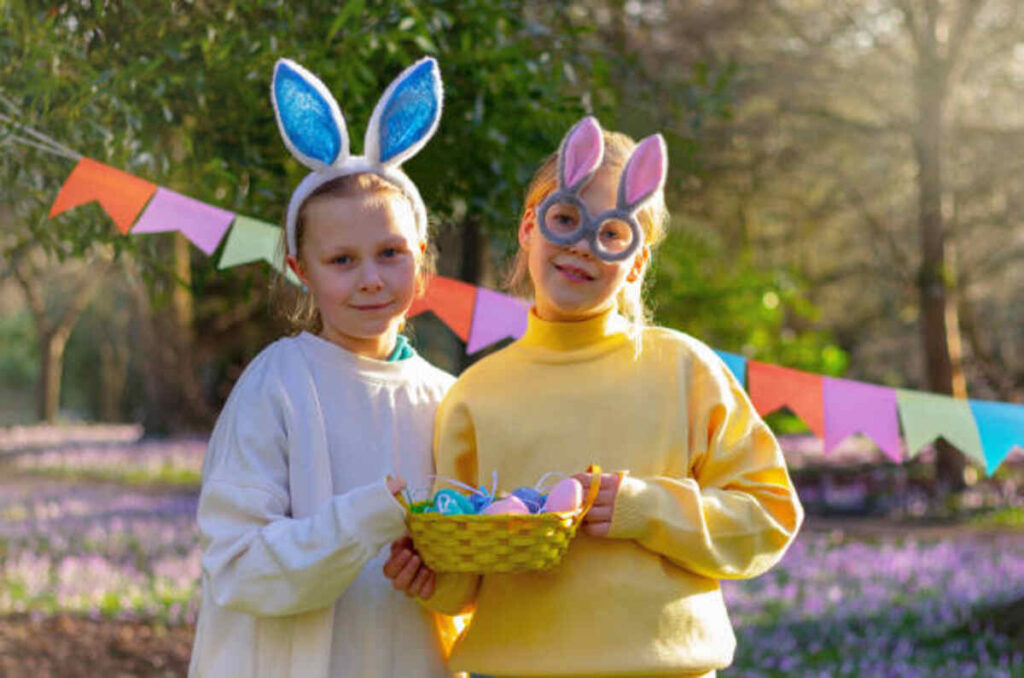
The Easter Bunny, a symbol deeply entrenched in the cultural fabric of Easter festivities, has a history as rich and varied as the traditions it represents. While many associate the Easter Bunny with contemporary Easter celebrations, its roots stretch back centuries, evolving through diverse cultures and customs. This article delves into the historical journey of Easter Bunny appearances, exploring its origins, transformations, and role in modern Easter festivities. Best way to find the Easter Bunny appearances.
The Easter Bunny’s origins can be traced back to pre-Christian fertility lore, particularly among the pagan traditions of the Anglo-Saxons. The hare, an animal known for its prolific breeding and association with the goddess Eostre, symbolized fertility and rebirth. As Christianity spread, these pagan symbols and traditions were integrated into the celebration of Easter, a holiday commemorating the resurrection of Jesus Christ.
The Role of Eostre and the Hare
Eostre, a goddess of dawn and spring, was central to many pagan celebrations. Her connection with the hare, an animal prolific in breeding, made the hare a natural symbol for fertility and new beginnings. Celebrations in her honor often coincided with the vernal equinox, a time when day and night are of equal length, symbolizing balance and renewal. This connection laid the groundwork for the hare’s eventual association with Easter.
The Transition to a Christian Symbol
The integration of the hare into Easter celebrations was not immediate. Over time, as Christianity sought to assimilate local customs to ease the transition of pagan communities to Christian beliefs, the hare became intertwined with Easter. This syncretism allowed the hare to morph into the Easter Bunny, a character that would eventually come to embody the spirit of renewal and joy associated with Easter Sunday. It represented a bridge between the old pagan rituals and the new Christian traditions, providing continuity and familiarity.
Early Christian Adaptations
Christian leaders recognized the significance of local traditions in facilitating conversion. By incorporating elements of pagan festivals, such as the hare, into Christian practices, they made the new religion more palatable to converts. This blending of traditions was not unique to Easter; similar syncretic approaches were used in other Christian holidays, demonstrating a strategic adaptation of cultural symbols.
Evolution of Easter Bunny Appearances
As the Easter Bunny evolved from its pagan roots, its appearances and significance underwent substantial transformations, particularly as it spread across Europe and later to America.
European Traditions and Folklore
The Easter Bunny’s presence in Europe is most prominently noted in German folklore, where the creature was believed to lay colorful eggs as gifts for well-behaved children. These tales were pivotal in shaping the modern narrative of the Easter Bunny as a benevolent figure that rewards virtuous behavior.
In Germany, the “Osterhase” or Easter Hare became a central figure of Easter celebrations. Children would create nests for the hare to lay its eggs, a precursor to the modern Easter egg hunt. This tradition was carried over to America by German immigrants in the 18th century, where it continued to evolve.
Variations Across Europe
Different regions in Europe had their own interpretations of the Easter Bunny. In Switzerland, for instance, it was believed that a cuckoo, rather than a hare, brought Easter eggs. In parts of France, children awaited the arrival of church bells that were said to fly to Rome and return with eggs and treats. These variations highlight the adaptability of the Easter Bunny concept to fit local customs and beliefs.
Symbols of Spring and Rebirth
Beyond the specific traditions, the Easter Bunny also became a broader symbol of spring and rebirth across Europe. As a herald of the new season, it was often depicted amidst blooming flowers and lush greenery, reinforcing its role as a messenger of renewal. This imagery resonated with agrarian communities, for whom the arrival of spring marked a crucial time of planting and growth.
Spread to America
The Easter Bunny’s journey to America marked a significant phase in its transformation. With the influx of German immigrants in the 1700s, the tradition of the Easter Hare took root in American soil. Over time, the character of the Easter Bunny was adopted more broadly, eventually becoming a staple of Easter celebrations across the nation. This adoption was facilitated by the melting pot nature of American culture, where diverse traditions blended to create new, shared customs.
American Adoption and Commercialization
The commercialization of Easter in the 19th and 20th centuries further cemented the Easter Bunny’s role in festivities. With the rise of mass production, Easter Bunny-themed merchandise became widely available, from chocolate bunnies to themed decorations and children’s toys. This commercialization helped solidify the Bunny’s image as a friendly, anthropomorphic character central to Easter celebrations.
The Rise of Easter Merchandise
The burgeoning consumer culture of the 19th century saw the Easter Bunny become a marketing icon. Confectioners capitalized on its popularity by creating chocolate bunnies, a treat that became synonymous with Easter celebrations. These sweets, along with pastel-colored candies and egg-shaped chocolates, became staples of Easter baskets, a tradition that continues today.
Impact on Popular Culture
The Easter Bunny’s integration into popular culture was furthered by its depiction in literature and media. Children’s books, animated films, and television specials featured the Bunny as a central character, often portrayed as a gentle, wise creature who brings joy to children. These portrayals reinforced its image as a beloved figure, ensuring its place in the cultural consciousness.
Adoption by Retailers
Retailers quickly recognized the Easter Bunny’s appeal, using it to drive seasonal promotions and sales. Department stores hosted Easter Bunny meet-and-greets, where children could have their photos taken with the Bunny, similar to Santa Claus at Christmas. These events became cherished traditions for families, contributing to the Bunny’s enduring popularity.
The Easter Bunny in Modern Festivities
In contemporary times, the Easter Bunny has transcended its folkloric and religious origins to become a secular symbol of Easter. Its appearances are ubiquitous in Easter-related events and activities, ranging from private family gatherings to large public celebrations.
Easter Bunny Events and Celebrations
Today, Easter Bunny appearances are a highlight of Easter festivities, captivating the imaginations of children and adults alike. Key events include:
- Easter Egg Hunts: Perhaps the most popular activity associated with the Easter Bunny, egg hunts are organized by families, communities, and organizations around the world. Participants search for hidden eggs, often filled with treats, in gardens, parks, and public spaces.
- Easter Parades and Pageants: In many cities, Easter parades feature the Easter Bunny as a central figure, delighting spectators with colorful costumes and floats. These events often incorporate local traditions, blending cultural and religious elements in a festive atmosphere.
- Commercial and Retail Promotions: Retailers capitalize on the popularity of the Easter Bunny with themed promotions, from holiday displays in store windows to special Easter Bunny appearances for photo opportunities.
Community Engagement and Celebrations
Easter Bunny events foster community engagement, bringing people together in celebration. Local parks and community centers often host Easter festivals, featuring games, food stalls, and craft activities for children. These gatherings provide a space for social interaction, reinforcing communal bonds and shared cultural practices.
Themed Entertainment and Experiences
Theme parks and entertainment venues have embraced the Easter Bunny, creating immersive experiences centered around its character. From Easter-themed rides to live shows featuring the Bunny, these attractions draw large crowds, offering families a fun-filled day out. Such experiences contribute to the Bunny’s role as an entertainment icon, beloved by children.
The Easter Bunny’s Symbolic Meaning
Despite its commercialization, the Easter Bunny retains its symbolic significance, representing themes of renewal, fertility, and the joy of spring. Its enduring appeal lies in its ability to adapt to changing cultural norms while maintaining a connection to its historical roots.
Embodying Renewal and Joy
At its core, the Easter Bunny embodies the themes of renewal and joy. As a harbinger of spring, it symbolizes the end of winter’s dormancy and the beginning of a season filled with life and growth. This symbolism resonates with people of all ages, offering a sense of hope and optimism.
A Cultural Touchstone
The Easter Bunny has become a cultural touchstone, bridging generational gaps. For many, it evokes fond childhood memories of Easter celebrations, creating a sense of nostalgia. Its continued presence in Easter festivities ensures that new generations will also form cherished memories associated with the Bunny.
Balancing Tradition and Modernity
The Easter Bunny’s ability to balance tradition with modernity is key to its lasting appeal. While its origins are steeped in ancient symbolism, its current role in Easter celebrations reflects contemporary values and practices. This adaptability ensures its relevance in an ever-changing cultural landscape.
Conclusion
The history of Easter Bunny appearances is a testament to the dynamic interplay between tradition, culture, and commerce. From its ancient origins as a symbol of fertility to its current role as a beloved figure in Easter festivities, the Easter Bunny exemplifies the evolving nature of cultural symbols. As we continue to celebrate Easter, the Easter Bunny remains a cherished part of the holiday, embodying the spirit of joy and renewal that defines the season.
In understanding the history and transformation of the Easter Bunny, we gain insight into the broader narrative of how cultural traditions adapt and endure, reflecting the values and imagination of each generation. The Easter Bunny’s journey from ancient lore to modern icon illustrates the power of cultural symbols to transcend time, weaving a rich tapestry of meaning that continues to captivate and inspire.