


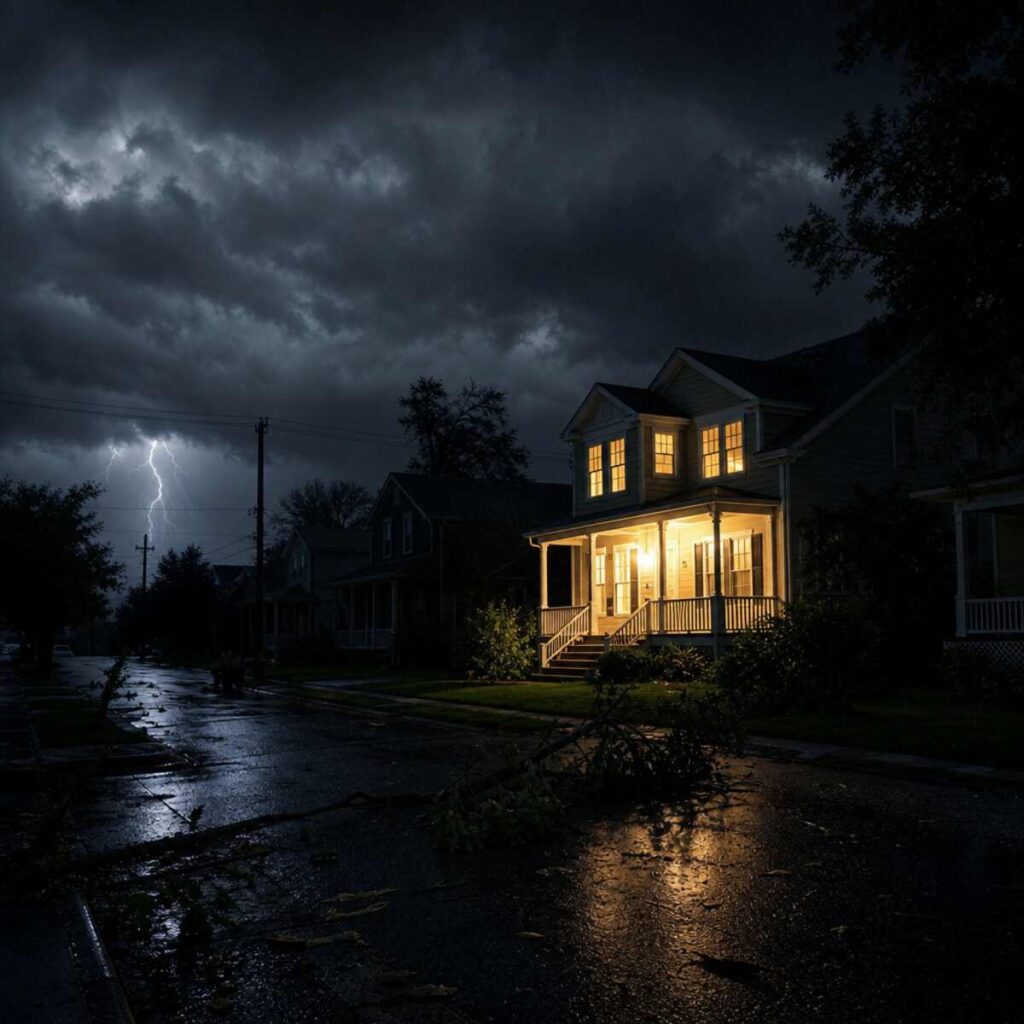
When the sky darkens, the winds begin to howl, and the local news stations switch to continuous weather coverage, coastal and inland residents alike know exactly what is coming. Hurricane season brings with it a unique set of anxieties, but none is more pressing than the prospect of losing electricity for days—or even weeks. The grid is incredibly fragile during a Category 3 or higher storm, making the search for the best generator for hurricane season an essential part of your annual storm prep. Select the emergency generator.
Having a reliable emergency power generator is no longer just a luxury for the ultra-prepared; it is a necessity for keeping your food from spoiling, your home comfortable, and your family connected to vital emergency services. But with thousands of models on the market, ranging from small camping units to massive residential systems, how do you choose?
This comprehensive guide will walk you through everything you need to know about selecting, sizing, connecting, and maintaining a power outage generator so that when the next major storm hits, your home remains a beacon of light and comfort.
Assessing Your Power Needs: How Much Juice Do You Actually Need?
Before you can choose the right equipment, you have to understand your home’s electrical appetite. Buying a generator that is too small means you will constantly trip the breaker, while buying one that is too large means you are wasting money on the unit and the fuel required to run it.
Understanding Starting Watts vs. Running Watts
Electrical appliances require two different levels of power:
- Running Watts (Rated Watts): The continuous power required to keep an appliance running.
- Starting Watts (Surge Watts): The temporary spike in power needed to start an appliance’s electric motor (like a refrigerator compressor or an air conditioner). This spike usually lasts only a few seconds but can be two to three times the running wattage.
How to Calculate Wattage for Home Backup Power
Figuring out your exact power requirements requires a bit of simple math. Here is a step-by-step guide on how to calculate wattage for home backup power:
- List your essential appliances: Write down every device you absolutely must run during a hurricane power outage.
- Find the wattage: Check the manufacturer’s label on the back or bottom of each appliance. If the label only lists Volts and Amps, multiply them to get the watts (Volts x Amps = Watts).
- Add up the running watts: Sum the running wattage of all the appliances you plan to run simultaneously.
- Factor in the highest starting watts: Find the single appliance on your list with the highest starting wattage requirement. Add this number to your total running watts from step 3.
Example Calculation:
- Refrigerator: 700 running watts
- Lights and Phone Chargers: 300 running watts
- Sump Pump: 800 running watts (plus 1,200 starting watts)
- Total Running Watts: 1,800W
- Highest Starting Wattage Needed: 1,200W
- Total Minimum Generator Size Needed: 3,000 Watts (1,800 + 1,200)
What Size Generator Runs a Refrigerator and AC?
One of the most common questions homeowners ask is what size generator runs a refrigerator and AC simultaneously. These are the two most critical comfort and survival appliances during a hot, humid post-hurricane environment.
A standard modern refrigerator needs about 700 running watts and up to 2,200 starting watts. An air conditioner, however, is a power-hungry beast. A standard 3-ton central AC unit requires roughly 3,500 running watts and an enormous 7,000 to 10,000 starting watts.
If you plan to run a central AC and a refrigerator at the same time, along with a few lights, you will need a heavy-duty portable generator or a standby unit capable of producing at least 10,000 to 12,000 surge watts. If you are only running a smaller window AC unit (which takes about 1,200 running watts and 3,600 starting watts), a mid-sized 5,000 to 7,500-watt generator will easily suffice.
The Great Debate: Portable vs Standby Generator for Emergencies
Once you know your wattage, you must decide on the form factor. The debate between a portable vs standby generator for emergencies comes down to your budget, your physical ability to manage heavy equipment, and the level of convenience you desire.
Portable Generators
Portable generators are wheeled units that you pull out of the garage when the storm passes. You manually fuel them, start them, and plug your appliances into them (or connect them to your home via a transfer switch).
Pros:
- Significantly more affordable upfront.
- Can be moved and used for other purposes (camping, tailgating, construction).
- No complex permitting or professional installation required if using extension cords.
Cons:
- Require manual setup in post-storm conditions (often in the dark and rain).
- You must constantly monitor and refill fuel tanks.
- Produce more noise and require strict adherence to carbon monoxide safety rules.
Whole House Standby Generators
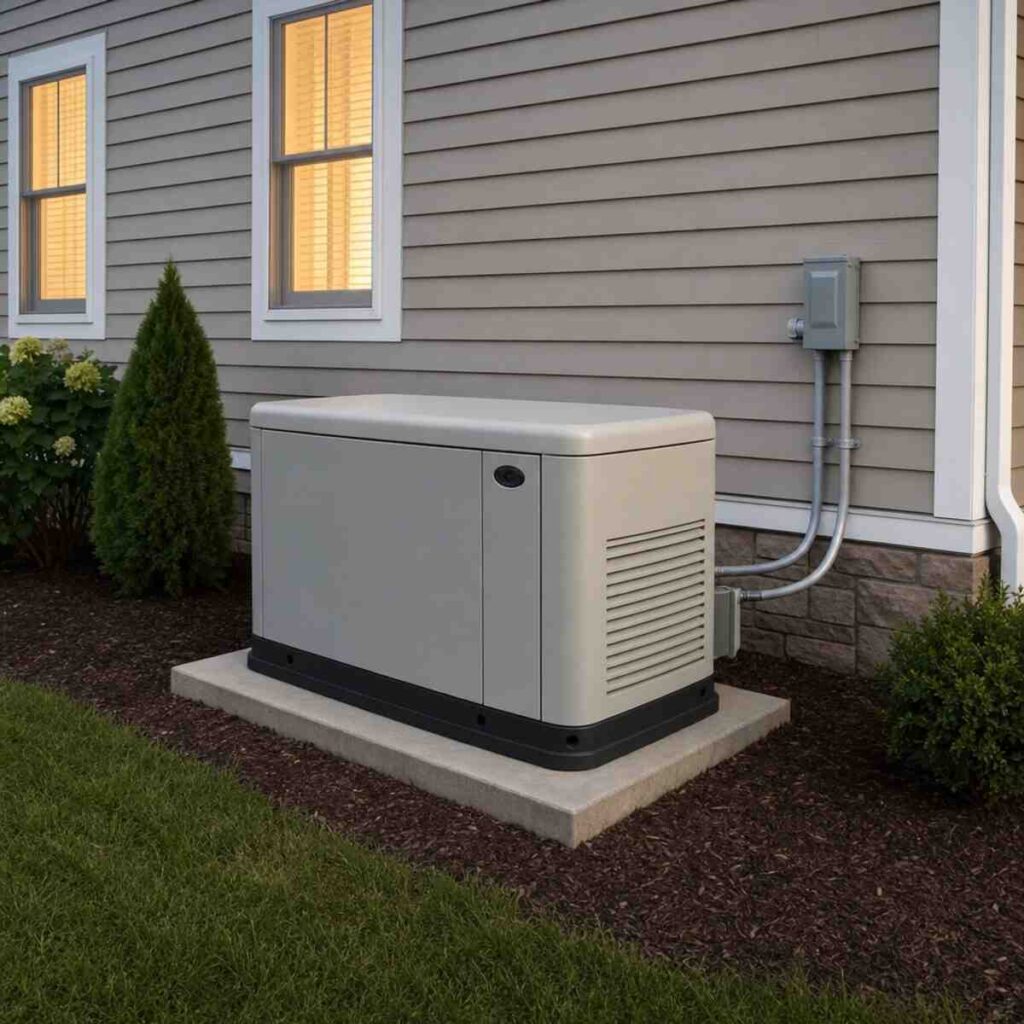
Standby generators are permanently installed outside your home, much like an AC condenser unit. They are wired directly into your home’s electrical system and connected to an ongoing fuel source (natural gas or large liquid propane tanks). When the grid goes down, an automatic transfer switch (ATS) detects the outage and turns the generator on within seconds.
Pros:
- Total automation: Your power comes back on in seconds whether you are home or not.
- No need to brave the elements, run extension cords, or refill gas tanks in the middle of the night.
- Increases the resale value of your home.
- Much quieter and safer, as they are permanently installed at a safe distance from windows.
Cons:
- High upfront cost.
- Requires professional installation, concrete pouring, and local permits.
Whole House Standby Generator Installation Cost
If you lean toward permanent peace of mind, you must budget appropriately. The whole house standby generator installation cost can vary wildly depending on your location, the size of your home, and the complexity of your electrical panel.
On average, a 14kW to 22kW standby generator unit will cost between $3,500 and $6,000. However, the unit itself is only half the battle. Professional installation, which includes an automatic transfer switch, running gas lines, pouring a concrete pad, electrical wiring, and obtaining local permits, will run an additional $2,500 to $6,000.
In total, expect to invest anywhere from $6,000 to $12,000+ for a fully installed, turnkey whole house system. While steep, many homeowners view this as a necessary insurance policy against the thousands of dollars lost to spoiled food, hotel stays, burst pipes, and mold damage that can occur during an extended hurricane outage.
Choosing the Right Fuel Source
Your generator is only as good as the fuel that powers it. When a hurricane wreaks havoc on local infrastructure, gas stations may lose power or run out of fuel entirely. Therefore, your choice of fuel is a massive factor in finding the best generator for hurricane season.
Gasoline
Gasoline is the most common fuel for portable generators. It is highly combustible, easily accessible (under normal circumstances), and provides excellent power output. However, gas has a short shelf life and is incredibly difficult to source in the chaotic days following a major hurricane.
Propane (LPG)
Propane is arguably the best fuel for emergency preparedness. It does not degrade over time, meaning you can store it in cylinders for years without worry. It also burns much cleaner than gasoline, requiring less maintenance on the generator’s engine.
Dual Fuel Generator Benefits for Storm Prep
Why choose one when you can have both? A dual fuel generator can run on either standard unleaded gasoline or liquid propane.
The dual fuel generator benefits for storm prep cannot be overstated. If you run out of stored gasoline, or if local gas stations are boarded up and out of power, you can simply unhook the propane tank from your backyard BBQ grill, attach it to your generator, and keep your lights on. This flexibility is a game-changer during the unpredictable aftermath of a hurricane.
Natural Gas Backup Generator vs Propane
If you are installing a standby unit, your main choices will be natural gas or propane. When weighing a natural gas backup generator vs propane, consider your local infrastructure.
Natural gas is piped directly into your home by your utility company. The massive benefit here is an effectively infinite fuel supply; you never have to refill a tank. However, natural gas pipelines can be compromised during severe natural disasters (like uprooted trees breaking lines), leading utility companies to shut off the gas grid.
Propane, on the other hand, is stored on your property in large tanks (typically 250 to 500 gallons). While it relies on you scheduling deliveries to refill it, an on-site propane tank makes you completely self-sufficient and immune to municipal utility failures. For hurricane-prone areas, a large buried propane tank paired with a standby generator is often considered the gold standard of resilience.
Proper Fuel Storage for Long Power outages
If you are relying on a portable gasoline or diesel generator, managing your fuel supply safely is critical. The government and safety organizations have strict guidelines on proper fuel storage for long power outages:
- Use Approved Containers: Only store fuel in tightly sealed, OSHA- or EPA-approved Jerry cans or plastic containers designed specifically for fuel.
- Location: Never store fuel inside your home, basement, or attached garage. Vapors can easily accumulate and ignite from a stray spark or the pilot light of a water heater. Store fuel in a detached shed or a well-ventilated outdoor storage box.
- Rotation: Gasoline begins to degrade and form engine-clogging varnish in as little as 30 to 60 days. Get into the habit of rotating your stock. At the end of hurricane season, pour your stored gas into your car’s fuel tank and start fresh next year.
Best Fuel Stabilizers for Long-Term Storage
To stretch the lifespan of your gasoline, you absolutely must use a chemical stabilizer. The best fuel stabilizers for long-term storage can keep gasoline fresh for up to 12 to 24 months.
When preparing for storms, look for enzyme-based or petroleum-based stabilizers (like STA-BIL, PRI-G, or Star Tron). Add the stabilizer to your Jerry can before you pump the gas at the station to ensure it mixes thoroughly, and always run the stabilized fuel through your generator for a few minutes before putting the unit away so the treated fuel reaches the carburetor.
Top Generator Categories to Consider
There is no single “perfect” generator; there is only the generator that fits your specific location, home size, and budget. Here are the top categories of generators that excel during hurricane season.
1. Quiet Inverter Generators for Neighborhood Use
Traditional open-frame generators are incredibly loud, often running at 75 to 85 decibels—the equivalent of standing next to a running lawnmower. If you live in a tightly packed suburban neighborhood or a townhome community, this noise can be an extreme nuisance to your neighbors (and yourself) when running 24/7 for a week.
Enter the inverter generator. These units produce AC power, convert it to DC, and then “invert” it back to clean AC power. This results in stable, “clean” electricity that is safe for sensitive electronics like laptops, medical CPAP machines, and modern OLED televisions.
More importantly, quiet inverter generators for neighborhood use are enclosed in sound-dampening casing and feature smart throttles that adjust engine speed based on the electrical load. They typically operate between 50 and 60 decibels (comparable to normal human conversation). While they are slightly more expensive and generally offer lower total wattage than open-frame units, they are the polite, efficient choice for residential areas.
2. The Heavy-Duty Dual Fuel Portables
If you need to power a well pump, a water heater, a refrigerator, and a window AC, you need raw power. Heavy-duty dual fuel portable generators in the 9,000 to 12,000-watt range are the workhorses of hurricane recovery. Look for units featuring electric push-button starts, heavy-duty never-flat tires for rolling over storm debris, and low-oil shutoff sensors to protect the engine.
3. Solar Powered Backup Systems for Coastal Areas
Not all emergency power requires combustion. Solar generators (which are essentially massive lithium-iron-phosphate battery banks paired with portable solar panels) have surged in popularity.
Solar powered backup systems for coastal areas are fantastic because they offer zero emissions, zero noise, and zero need for liquid fuel. Because they do not produce carbon monoxide, they are the only type of emergency power generator that is safe to operate indoors.
During the day, you can set the solar panels out in the bright post-hurricane sun to recharge the battery bank, while simultaneously powering your fridge and fans. Brands like EcoFlow, Bluetti, and Jackery offer modular systems that can be chained together to provide enough battery capacity to run major home appliances for days. While high-capacity solar setups can rival the cost of whole-house standby units, their portability, indoor safety, and elimination of fuel costs make them a premier choice for modern storm prep.
Safe Connection to Your Home
Running a maze of orange extension cords through a cracked window is the old way of using a portable generator. It lets in hot air, mosquitos, and potentially dangerous exhaust fumes. A much safer and more efficient method is to wire the generator directly to your home’s electrical system.
Connecting a Generator to Your Breaker Box
Connecting a generator to your breaker box allows you to power your home’s hardwired appliances—like ceiling fans, well pumps, furnace blowers, and kitchen lights—that cannot simply be plugged into an extension cord.
WARNING: You must never attempt to “backfeed” your home by plugging a generator directly into a dryer outlet or wall socket. Backfeeding sends electricity backward through your home’s wiring and out into the public power grid. This can electrocute and kill utility line workers who are actively trying to restore neighborhood power. It is illegal and incredibly dangerous.
To safely and legally connect portable power to your panel, you must use one of two professional methods.
Manual Transfer Switch vs Interlock Kit
When deciding how to connect your portable generator to your panel, the debate between a manual transfer switch vs interlock kit usually arises. Both require installation by a licensed electrician, and both safely disconnect your home from the utility grid before allowing generator power to flow in.
Manual Transfer Switch: A transfer switch is a separate, smaller sub-panel installed next to your main breaker box. During installation, the electrician moves specific, essential circuits (like the fridge, bedroom lights, and well pump) from your main panel to this transfer switch.
- Pros: Foolproof. It restricts you to only using the circuits you pre-selected, preventing you from accidentally overloading your generator.
- Cons: Less flexible. If you decide during the outage you want power to a room that isn’t wired to the transfer switch, you are out of luck. They are also generally more expensive to install.
Interlock Kit: An interlock kit is a simple, mechanical sliding metal plate installed directly onto the front cover of your existing main breaker box. It forces you to turn off the main utility breaker before you can physically slide the plate over to turn on the generator breaker.
- Pros: Extremely flexible. An interlock kit powers your entire main electrical panel. You simply walk down your row of breakers and manually flip on whichever rooms or appliances you want to run (provided you don’t exceed your generator’s total wattage capacity). It is also usually cheaper to install than a transfer switch.
- Cons: Requires manual load management. You have to be careful not to turn on too many heavy appliances at once and stall your generator.
Both are excellent, safe choices that upgrade your home’s hurricane readiness significantly.
Surviving the Elements: Operating Your Generator Safely
Hurricanes do not just bring power outages; they bring torrential rain, flooding, and chaotic environments. Operating heavy machinery in these conditions requires strict adherence to safety protocols.
Safe Generator Operation During Heavy Rain
Generators and water are a deadly combination. Because standard portable generators are not completely waterproof, running them in a downpour exposes you to electrocution risks and can short-circuit the machine. However, you still need power during the storm.
How do you achieve safe generator operation during heavy rain? You use a generator tent. Products like GenTent are specifically designed to strap onto the frame of your portable generator, creating a waterproof canopy over the electrical outlets and sensitive engine components while leaving the exhaust and air intakes completely unblocked.
Never try to DIY a solution by placing a plastic tarp directly over a running generator. The tarp will melt, catch fire, or suffocate the engine of oxygen. Similarly, never run a generator inside a garage with the door cracked, under a low deck, or in a breezeway just to keep it out of the rain.
Carbon Monoxide Safety Tips for Emergency Power
Carbon Monoxide (CO) poisoning is one of the leading causes of injury and death in the aftermath of a hurricane. It is a colorless, odorless, and tasteless gas produced by the combustion engine of your generator. You will not know it is there until it is too late.
Follow these absolute, non-negotiable carbon monoxide safety tips for emergency power:
- The 20-Foot Rule: Always place your generator at least 20 feet away from your home, garage, and neighbors’ homes.
- Exhaust Direction: Always point the generator’s exhaust pipe away from doors, windows, and air conditioning vents. The wind can easily blow deadly exhaust back into your house.
- Install CO Detectors: Before hurricane season begins, verify that you have battery-operated carbon monoxide detectors installed on every level of your home, especially outside sleeping areas. Test the batteries monthly.
- Know the Symptoms: Symptoms of CO poisoning include headache, dizziness, weakness, upset stomach, vomiting, chest pain, and confusion. If anyone in your home begins feeling these symptoms during a power outage, evacuate to fresh air immediately and call 911.
- Look for CO Shutoff Features: When buying the best generator for hurricane season, look for models equipped with built-in CO sensors. These modern generators will automatically shut the engine down if they detect dangerously high levels of carbon monoxide building up in the immediate vicinity.
Maintenance: Being Ready Before the Storm Hits
A generator is a specialized piece of equipment that requires upkeep. Leaving a portable generator in the corner of your garage for three years and expecting it to start on the first pull as a Category 4 hurricane makes landfall is a recipe for disaster.
Maintenance Checklist for Hurricane Backup Power
Print out this maintenance checklist for hurricane backup power and complete it every May, just before the June 1st official start of the Atlantic hurricane season:
- Check the Oil: Generator engines burn oil faster than car engines, especially when running at high loads for days. Check the oil level before every startup, and keep at least 3-4 extra quarts of manufacturer-recommended synthetic oil on hand. Expect to do a full oil change every 50 to 100 hours of operation.
- Inspect and Clean the Air Filter: A clogged air filter will cause the engine to run rich, wasting fuel and causing excessive wear. Clean foam filters with warm soapy water, let them dry completely, and re-oil them before reinstalling.
- Test the Battery: If your generator has an electric push-button start, it relies on a small 12V battery. Keep this battery plugged into a trickle charger year-round so it is fully juiced when you need it.
- Replace the Spark Plug: A fouled spark plug will prevent the generator from starting. Keep a spare spark plug and the appropriate wrench taped to the top of the generator so you never have to hunt for it in the dark.
- Run It Under Load: The most important maintenance step is to wheel your generator outside, start it up, and plug in a heavy appliance (like a space heater or a high-wattage hairdryer) for about 15-20 minutes every month. This keeps the engine parts lubricated, ensures the alternator is actually producing electricity, and proves the fuel system is clean.
- Stock Up on Extension Cords: Inspect your heavy-duty (10-gauge or 12-gauge) outdoor extension cords for any cuts, frays, or exposed wiring. Discard and replace any damaged cords immediately.
Conclusion: Empowering Your Home Against the Storm
Facing hurricane season is stressful, but the deep, lingering anxiety of enduring an extended power outage in the sweltering heat does not have to be part of your experience. By understanding your home’s electrical needs, you can easily determine how to calculate wattage for home backup power and confidently choose the best generator for hurricane season.
Whether you decide to invest the whole house standby generator installation cost for seamless, automated protection, or you opt for the versatility of dual fuel portables and quiet inverter generators for neighborhood use, preparation is your ultimate shield.
Take the time now—while the skies are clear and the hardware store shelves are fully stocked—to safely connect your system, perfect your fuel storage strategy, and run through your maintenance checklist. When the winds eventually rise and the grid goes dark, you will rest easy knowing your home is powered, protected, and prepared for whatever the storm leaves behind.