

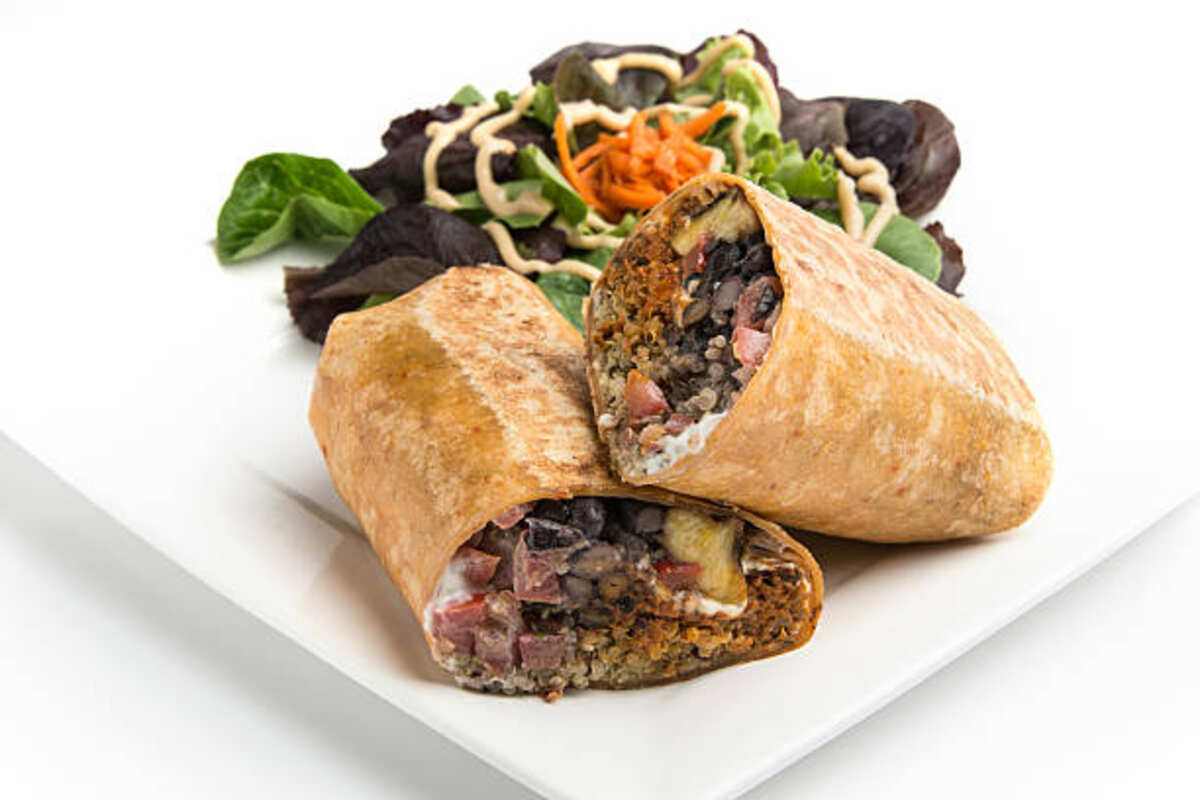
Vegan Meat: Sustainable Protein for Everyone
The way we think about the food on our plates is undergoing a massive, unprecedented transformation. For centuries, traditional animal meat has been the centerpiece of the global dinner table. But today, a quiet revolution is taking place in kitchens, supermarkets, and high-end restaurants around the world. We have entered the era of vegan meat.
Whether you are a lifelong vegetarian, a curious flexitarian, or an omnivore looking to make more sustainable choices, understanding the world of vegan food is no longer just a niche interest—it is essential knowledge for the modern consumer. This comprehensive guide will explore everything you need to know about plant-based meats, from the science of their ingredients to actionable culinary techniques, their environmental impact, and their place in a healthy diet.

The Rise of the Vegan Meat Revolution
Vegan meat is not entirely a modern invention. For thousands of years, cultures across Asia have utilized tofu, tempeh, and wheat gluten as dietary staples to mimic the texture and nutritional profile of animal flesh. However, the last decade has seen an explosion of food science innovation that has taken these ancient concepts and transformed them into products that bleed, sizzle, and taste astonishingly like the real thing.
The motivation behind this culinary shift is multi-faceted. Consumers are becoming increasingly aware of the heavy toll that animal agriculture takes on the planet, human health, and animal welfare. As a result, finding viable, delicious, and accessible plant-based protein sources has become a global priority.
Why Make the Switch? Exploring the Core Motivations
To truly appreciate the value of modern meat alternatives, it is crucial to understand the driving forces behind their rapid rise in popularity.
1. The Ethical Implications of Factory Farming
For many, the transition away from animal products begins with compassion. The ethical implications of factory farming are profound and well-documented. Industrial agriculture often confines animals to cramped, unsanitary conditions, prioritizing maximum yield and profit over basic welfare. By opting for plant-based alternatives, consumers can actively withdraw their financial support from these systems, promoting a more humane and compassionate food supply chain.
2. The Environmental Benefits of Plant-Based Diets
The ecological footprint of animal agriculture is staggering. It is a leading driver of deforestation, water pollution, and biodiversity loss. Raising livestock requires vast amounts of land and water, not just for the animals themselves, but to grow the crops needed to feed them.
The environmental benefits of plant-based diets are backed by extensive scientific research. Transitioning to plant-based eating drastically reduces water consumption and land use. More importantly, reducing carbon footprint through diet is one of the most effective, immediate actions an individual can take to combat climate change. Plant-based meats generate significantly fewer greenhouse gas emissions—often up to 90% less—than their conventional beef counterparts.

Decoding the Ingredients: What Exactly Is Vegan Meat?
A common question among skeptics and curious foodies alike is: What exactly is in this stuff? The answer varies wildly depending on the brand and the type of product, but modern meat alternatives generally rely on a core group of high protein plant-based ingredients to deliver the necessary chew, bulk, and nutritional value.
The Battle of the Legumes: Pea Protein Isolate vs Soy Protein
When you look at the back of a package of modern vegan burgers or sausages, you are likely to see one of two dominant ingredients: soy or pea protein.
Understanding pea protein isolate vs soy protein can help you make informed choices based on your dietary needs and taste preferences:
- Soy Protein: Derived from soybeans, soy protein has been the gold standard for decades. It is a “complete” protein, meaning it contains all nine essential amino acids that the human body cannot produce on its own. It has a neutral flavor and an excellent ability to mimic the fibrous texture of chicken or beef when processed.
- Pea Protein Isolate: Extracted from yellow split peas, pea protein has surged in popularity, famously serving as the base for products like the Beyond Burger. It is highly sustainable, as peas are nitrogen-fixing crops that naturally enrich the soil. Pea protein is also completely free of major allergens like soy and gluten, making it a highly accessible choice. While slightly lower in the amino acid methionine than soy, it remains an incredibly robust protein source.
The Magic of TVP: Textured Vegetable Protein Uses
If you are looking for a budget-friendly, pantry-stable ingredient, look no further than TVP. Textured Vegetable Protein is a highly nutritious soy product made from defatted soy flour, which is cooked under pressure and extruded into various shapes (flakes, chunks, or nuggets).
Textured vegetable protein uses are incredibly diverse in the home kitchen:
- Chilis and Stews: TVP crumbles perfectly replicate the mouthfeel of ground beef in hearty tomato-based dishes.
- Tacos and Burritos: When rehydrated with vegetable broth and seasoned with cumin, chili powder, and smoked paprika, TVP makes an outstanding taco filling.
- Pasta Sauces: Toss dehydrated TVP directly into a simmering marinara sauce to create an instant, high-protein vegan Bolognese.
To use TVP, simply rehydrate it in boiling water or broth for 5-10 minutes. Because it is essentially a flavor sponge, it will absorb whatever marinades or spices you apply to it, making it one of the most versatile vegan protein sources available.

Health and Nutrition: Are Meat Substitutes Healthy?
As the popularity of these foods skyrockets, a critical dialogue has emerged regarding their nutritional value. A frequently asked question by health-conscious consumers is: are meat substitutes healthy?
The answer is nuanced and depends heavily on how you define “healthy” and what specific products you are consuming.
Processed vs Whole Food Substitutes
The plant-based market exists on a spectrum. On one end, you have hyper-realistic, commercially manufactured burgers. On the other end, you have whole foods grown straight from the earth. Understanding the difference between processed vs whole food substitutes is key to building a balanced diet.
- Highly Processed Alternatives: Products designed to look, cook, and bleed like real meat often rely on isolates, refined oils (like coconut oil to mimic animal fat), and natural flavorings. While they are cholesterol-free and boast a protein content comparable to beef, they can also be high in sodium and saturated fats. These are fantastic transitional foods or occasional treats, but they shouldn’t necessarily make up the bulk of your daily nutrition.
- Whole Food Alternatives: These are ingredients that have undergone minimal processing. Think black bean burgers, lentil meatballs, or roasted chickpeas. These foods are packed with dietary fiber, complex carbohydrates, and micronutrients, with naturally low levels of saturated fat and sodium.
To maintain optimal health, nutritionists generally recommend a diet that leans heavily on whole foods, utilizing the highly processed vegan meats for convenience, cravings, or social gatherings like summer barbecues.
Exploring Traditional Powerhouses: Seitan and Tempeh
Long before Silicon Valley started engineering plant-based burgers, ancient culinary traditions had already perfected their own meat substitutes. Two of the most prominent are seitan and tempeh.
When comparing seitan versus tempeh nutrition, you find two very different, yet equally beneficial, profiles:
- Seitan (Wheat Meat): Made by washing wheat dough until all the starch granules have been removed, leaving only the sticky, insoluble gluten. Seitan is incredibly dense in protein (often boasting around 25 grams per 3-ounce serving) and has a famously chewy, meat-like texture that makes it perfect for vegan ribs or stir-fries. However, it lacks the amino acid lysine and is very low in fat.
- Tempeh: Originating from Indonesia, tempeh is made from whole, fermented soybeans pressed into a dense cake. Because it is fermented, tempeh is incredibly good for gut health, offering a wealth of prebiotics. It also retains the whole bean, meaning it is high in fiber, calcium, and iron. Its texture is nutty and firm, rather than chewy.
Wheat Gluten Allergy Alternatives
Since seitan is made entirely of gluten, it is strictly off-limits for anyone with Celiac disease or non-celiac gluten sensitivity. Fortunately, there are excellent wheat gluten allergy alternatives. Tofu, tempeh, and soy curls provide fantastic chew. Additionally, many modern products utilizing pea protein or mycoprotein (derived from fungi) are completely gluten-free, ensuring that those with dietary restrictions never have to miss out on hearty, meaty textures.

The Culinary Art of Vegan Meat
One of the greatest joys of exploring vegan food is learning new culinary techniques. Cooking plant-based alternatives requires a slight shift in mindset, but once you master a few fundamental tricks, the possibilities are endless.
The Secret to Depth: Replicating Umami Flavor in Vegetables
Animal meat is naturally rich in umami—the savory, deeply satisfying “fifth taste.” When cooking with plant-based ingredients, you have to build this flavor profile yourself.
Replicating umami flavor in vegetables and plant proteins is a science of layering ingredients rich in glutamates. Here are the best ways to inject umami into your vegan dishes:
- Nutritional Yeast: Often affectionately called “nooch,” these yellow flakes provide a cheesy, nutty, savory depth.
- Soy Sauce and Tamari: Even a small splash can instantly darken the flavor profile of a vegan gravy or marinade.
- Tomato Paste: Rich in natural glutamates, cooking down tomato paste until it caramelizes adds incredible richness to plant-based stews.
- Mushrooms: Specifically, dried shiitake or porcini mushrooms. Rehydrating them and using their soaking liquid as a broth base will give any dish a profound, earthy meatiness.
- Miso Paste: A fermented soybean paste that adds complex, salty, savory notes to glazes and broths.
Transforming Produce: How to Cook Jackfruit for Meat Texture
Jackfruit is a massive tropical fruit that, when harvested young and unripe, possesses an uncanny ability to mimic pulled pork or shredded chicken. It has a completely neutral flavor, making it a blank canvas for your favorite BBQ sauces and spices.
Learning how to cook jackfruit for meat texture is surprisingly simple:
- Drain and Rinse: If using canned young green jackfruit (in water or brine, not syrup), drain it and rinse it thoroughly to remove the briny taste.
- Chop the Cores: Cut off the hard, triangular core pieces, as they do not shred well.
- Shred: Use your hands or two forks to pull the remaining chunks apart until they resemble shredded meat.
- Dry Roast: Sauté the shredded jackfruit in a dry pan over medium heat for about 5-10 minutes. This draws out excess moisture and firms up the texture.
- Simmer: Add your favorite spices, a splash of vegetable broth, and a generous amount of BBQ sauce. Let it simmer for 20-30 minutes until the fruit becomes incredibly tender and absorbs all the flavors.
- Bake (Optional): For crispy burnt ends, spread the saucy jackfruit on a baking sheet and broil it in the oven for 5 minutes.
Sizzling Summer: Best Meat Alternatives for Grilling
Summer barbecues can sometimes be intimidating for those new to a plant-based diet, but the grill is actually one of the best places for vegan food to shine. The high heat caramelizes sugars and imparts a smoky flavor that elevates plant proteins.
The best meat alternatives for grilling include:
- Commercial Plant-Based Burgers: Brands like Impossible and Beyond are engineered specifically to handle the high heat of a grill. They develop a beautiful crust while remaining juicy on the inside.
- Portobello Mushrooms: The classic vegan grilling option. Marinate large caps in balsamic vinegar, olive oil, garlic, and soy sauce, then grill them for 5-7 minutes per side.
- Thick-Cut Seitan Steaks: Because seitan is so dense, it holds up perfectly on the grill grates. Brush it generously with BBQ sauce to prevent it from drying out.
- Carrot Hot Dogs: By marinating whole, parboiled carrots in liquid smoke, apple cider vinegar, and soy sauce, then grilling them, you can create a surprisingly delicious and whole-food alternative to traditional sausages.
- Tofu Skewers: Use extra-firm tofu, press out the water, cube it, and thread it onto skewers with bell peppers and red onions. Coat in a peanut satay sauce for a spectacular charred finish.

The Horizon of Food Science: What Comes Next?
As demand for sustainable protein grows, the technology behind meat alternatives is evolving at a breakneck pace. We are moving past simply mashing beans and grains together; we are entering an era of sophisticated food technology that promises to revolutionize the agricultural system entirely.
Innovations in Plant-Based Formulation
The next generation of plant-based meats is focusing heavily on mimicking the intricate fat structures of animal meat. Companies are utilizing techniques like 3D printing to weave plant-based fats (like cocoa butter or sunflower oil) directly into the matrix of soy or pea protein fibers. This creates “whole cuts” of vegan meat—like steaks, chicken breasts, and salmon fillets—that flake, tear, and render fat exactly like their animal counterparts.
The Dawn of Cell-Cultivated Meat Technology
While technically not “vegan” in the traditional sense, as it involves animal cells, cell-cultivated meat technology (also known as lab-grown or cultured meat) is a massive part of the conversation surrounding the future of protein and the replacement of factory farming.
Cultivated meat is produced by taking a small, harmless cell sample from a living animal (like a cow or a chicken) and placing it in a nutrient-rich cultivator or bioreactor. These cells are fed amino acids, sugars, and vitamins, allowing them to grow and multiply into actual muscle and fat tissue.
The result is real meat, produced without the need to raise and slaughter an entire animal. For vegans motivated purely by environmental conservation and animal welfare, cultivated meat presents a fascinating philosophical dilemma. While some vegans may choose not to eat it, many champion the technology because it directly addresses the ethical implications of factory farming and has the potential to drastically lower global greenhouse gas emissions.
Cultivated meat technology is still in its infancy, facing hurdles regarding production costs and regulatory approval, but it represents a monumental leap toward a sustainable, cruelty-free future.
Practical Tips for Transitioning to a Plant-Based Diet
If all this information has inspired you to incorporate more vegan meat into your life, you might be wondering how to start without feeling overwhelmed. Transitioning your diet doesn’t have to happen overnight. Here are practical, actionable steps to seamlessly integrate these sustainable proteins into your routine:
- Start with Familiar Favorites: Don’t try to reinvent your entire culinary repertoire on day one. If you love tacos, simply swap out the ground beef for black beans, TVP, or a store-bought plant-based crumble. If you love spaghetti, use lentil meatballs.
- Embrace the “Meatless Monday” Philosophy: Commit to eating entirely plant-based one day a week. This reduces the pressure and allows you to experiment with new vegan protein sources at a comfortable pace.
- Learn to Season Aggressively: As mentioned in the umami section, plant proteins are often blank canvases. Do not be afraid to use heavy-handed pinches of smoked paprika, cumin, garlic powder, and fresh herbs. Proper seasoning is the difference between bland tofu and a mouth-watering meal.
- Read Labels: As you navigate the supermarket, get into the habit of reading ingredient lists. Familiarize yourself with the nutritional profiles of different products so you can easily balance processed vs whole food substitutes throughout your week.
- Batch Cook Whole Foods: Prepare a large batch of quinoa, roast a tray of chickpeas, or make a big pot of lentil stew on Sundays. Having whole-food, plant-based protein sources ready to go in the fridge prevents you from relying too heavily on expensive processed alternatives when you’re tired after a long day.
Summary: A Sustainable Future on Our Plates
The evolution of vegan meat is much more than a passing dietary trend; it is a vital, ongoing response to some of the most pressing crises of our time. From mitigating climate change and preserving vital ecosystems to taking a stand against the inherent cruelties of industrial agriculture, the choices we make at the grocery store have profound global impacts.
Today’s landscape of plant-based protein is incredibly diverse. Whether you prefer the whole-food, gut-friendly nutrition of tempeh, the budget-friendly versatility of textured vegetable protein, or the mind-bending culinary science of a hyper-realistic bleeding pea-protein burger, there is a sustainable option available for every palate and every budget.
By educating ourselves on the differences in ingredients, mastering the culinary techniques required to bring out their best flavors, and understanding the environmental and health implications of our diets, we empower ourselves to make better choices. The future of food is innovative, compassionate, and undeniably delicious. The power to reshape the global food system is quite literally at the end of our forks.