

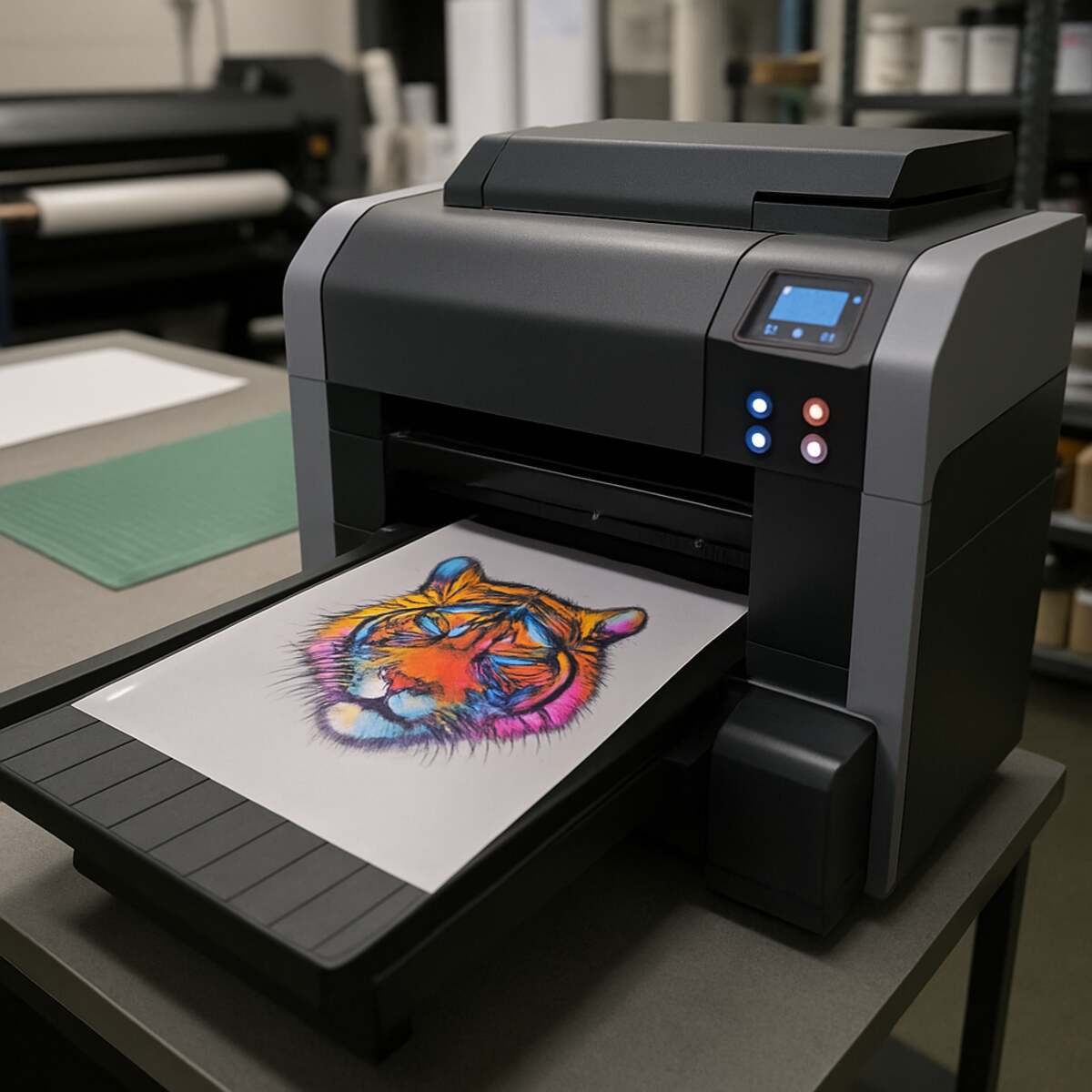
The apparel decoration industry is in the midst of a technological renaissance. For decades, garment decorators relied heavily on a handful of established methods to bring their designs to life: screen printing, direct to garment (DTG), and dye sublimation. Each method earned its place in the print shop, boasting specific strengths and undeniable limitations. However, a disruptive technology has emerged that is forcing business owners, hobbyists, and fashion brands to rethink their entire production workflow. Get the Best information about direct to film printer.
Enter the direct to film printer.
Direct to film (DTF) technology has rapidly transformed from a niche experimental process into a mainstream powerhouse. By bridging the gap between quality, versatility, and cost-effectiveness, the DTF printer has challenged traditional methods head-on. If you are looking to scale your custom apparel business, improve your output quality, or simply understand the shifting landscape of garment decoration, you are in the right place.
This comprehensive guide will explore the ultimate showdown between direct to film and traditional printing methods. We will dive deep into the science, the operational mechanics, the maintenance requirements, and the profound impact this technology has on business profitability.
What is Direct to Film (DTF) Printing?
Before we can compare direct to film to its traditional counterparts, we must thoroughly understand what the technology entails. Direct to film is a multi-step digital printing process that involves printing vibrant, full-color designs onto a specialized transparent film, applying an adhesive powder, curing the design, and finally transferring it onto a garment using a heat press.
Unlike traditional methods that apply ink directly to the fabric (like DTG) or force dye into the fibers (like sublimation), a direct to film printer creates a self-contained, fully opaque decal that acts as a bridge between the digital image and the final product.
The Core Technology Behind a DTF Printer
A dedicated dtf printer operates using specialized water-based pigment inks. These machines are engineered with advanced printheads designed to handle the specific viscosity of DTF inks, particularly the heavy, titanium dioxide-rich white ink.
The printing process requires a specific order of operations: the printer first lays down the CMYK (Cyan, Magenta, Yellow, Black) color layer. Immediately after, it prints a solid white layer directly on top of the wet colors. This white underbase is the secret to DTF’s incredible opacity and its ability to produce vibrant colors on dark fabric.
The Role of Polyethylene Terephthalate Film
The medium onto which these inks are printed is not standard plastic or paper. It is a specialized polyethylene terephthalate film (commonly known as PET film). This film is coated with a proprietary release agent that holds the wet ink perfectly in place without allowing it to pool or spread, yet releases the ink completely when subjected to the heat and pressure of a heat press.
PET film is prized for its thermal stability. It does not warp, shrink, or melt when passed through a high-temperature curing oven or when placed under a commercial heat press, ensuring that your digital transfer film advantages remain intact from the printer to the final garment.
Traditional Printing Methods: A Quick Overview
To appreciate the disruptive nature of direct to film, we must look at the established titans of the industry.
Screen Printing
Screen printing is the grandfather of apparel decoration. It involves creating a woven mesh stencil (a screen) for each color in a design. Ink is pushed through the stencil onto the fabric using a squeegee. It is unmatched for high-volume, low-color-count orders due to its speed and low cost per print at scale. However, setup times are laborious, and printing complex, full-color photographic images is incredibly difficult and expensive.
Direct to Garment (DTG)
Direct to Garment printing functions much like a standard desktop inkjet printer, but it is built to accept textiles. The garment is loaded onto a platen, and water-based ink is sprayed directly into the fibers. While excellent for highly detailed, full-color designs on 100% cotton, DTG requires a messy and time-consuming chemical pretreatment process, especially when printing on dark garments.
Sublimation Printing
Sublimation uses heat to turn solid dye into a gas, which then permeates the fibers of the garment. The result is a print that you cannot feel (zero hand-feel), as the dye becomes one with the fabric. However, sublimation is strictly limited to light-colored, 100% polyester or high-poly-blend garments.
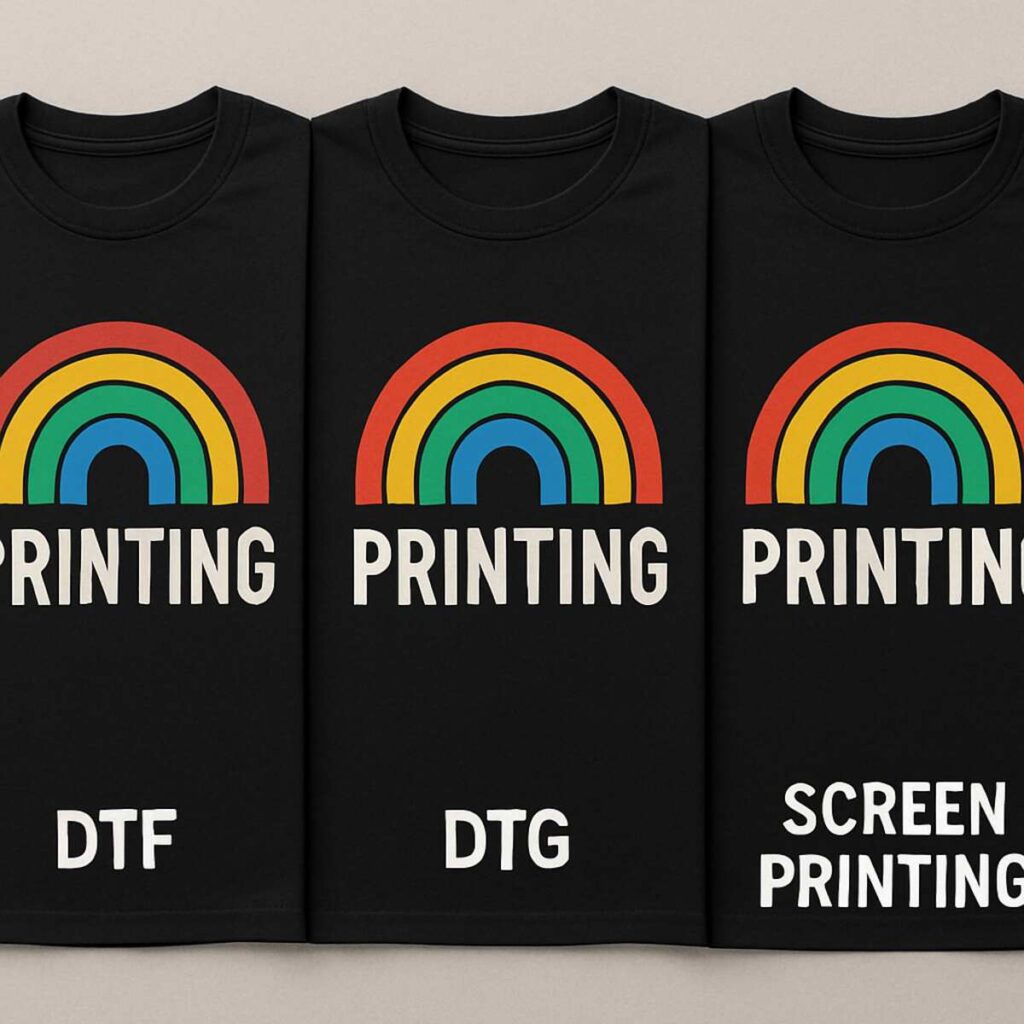
Direct to Film vs. Traditional Printing: The Ultimate Showdown
How does a direct to film printer stack up against the old guard? The comparison reveals why so many print shops are shifting their operational focus.
DTF vs Direct to Garment (DTG)
The debate of dtf vs direct to garment is currently the most heated in the industry. Both are digital processes designed for short runs and high detail, but their workflows and material compatibilities differ wildly.
- Pretreatment: DTG requires you to spray a liquid pretreatment onto dark garments, press them dry, print the shirt, and then press it again to cure the ink. If the pretreatment is applied unevenly, the print fails. DTF completely eliminates the garment pretreatment phase. The adhesive powder acts as the bonding agent, saving immense time and reducing chemical fumes in the shop.
- Fabric Versatility: DTG struggles immensely with anything other than 100% cotton. Polyester, nylon, and blends often reject DTG inks or cause “dye migration” (where the garment’s dye bleeds into the ink). DTF transfers, conversely, can be pressed onto virtually any fabric—cotton, polyester, nylon, rayon, spandex, and even treated leather.
- Print Placement: With DTG, you are limited to the size and shape of the printer’s platens. Printing on sleeves, neck tags, or pocket seams is notoriously difficult. A DTF transfer can be printed on a small sheet of film and heat-pressed into tight, unconventional spaces with a mini-press.
- Feel (The Hand): This is the one area where DTG traditionally wins. Because DTG ink sinks into the cotton, the feel is very soft. DTF creates a physical layer on top of the garment. However, advancements in adhesive powders have made modern DTF prints incredibly thin and soft, bridging this gap significantly.
Sublimation Versus Film Transfer
When comparing sublimation versus film transfer, the limitations of sublimation become glaringly obvious. Sublimation is a fantastic process for white polyester athletic wear, but it offers zero solutions for dark garments or natural fibers.
Because sublimation dye is transparent, you cannot sublimate a design onto a black shirt—the design simply won’t show up. Furthermore, if you attempt to sublimate on cotton, the gas dye will wash out in the first laundry cycle because it cannot bind to organic fibers.
A direct to film printer ignores these rules entirely. Because of the opaque white ink underbase, you achieve stunningly vibrant colors on dark fabric, regardless of whether that fabric is cotton, poly, or a blend. While sublimation offers a “no-feel” finish, DTF offers absolute freedom of fabric choice.
DTF vs. Screen Printing
Screen printing will likely never be replaced for massive, 10,000-piece orders of one-color logos. The sheer speed of an automatic screen printing press is unbeatable.
However, in the modern e-commerce landscape, consumer demand has shifted toward micro-runs, personalized designs, and full-color graphics. Setting up a 6-color screen print job for a run of 12 shirts is a logistical nightmare that destroys profit margins. A direct to film printer can produce those 12 full-color, photo-realistic transfers in minutes with zero setup cost, zero screen exposure, and zero messy cleanup.
The Science of DTF: Materials and Mechanics
To master a dtf printer, one must understand the chemistry and mechanics of the consumables involved. It is a delicate ecosystem where ink, film, and powder must work in perfect harmony.
Thermoplastic Polyurethane Powder Explained
Once the ink is laid onto the PET film, it is completely wet. To bond this wet ink to a t-shirt, it requires an adhesive. This is where thermoplastic polyurethane powder (TPU powder) enters the equation.
TPU powder is a specialized, finely milled polymer resin. When the film passes through a powder shaker, this powder coats the wet ink. Because the film itself is coated in a release agent, the powder only sticks to the wet ink and shakes off the negative space.
This powder is “thermoplastic,” meaning it melts into a viscous, sticky liquid when exposed to heat, and solidifies into a flexible, durable plastic when it cools. It acts as the glue that permanently welds the ink to the fibers of the garment. The quality of the TPU powder directly dictates the wash fastness, stretchability, and softness of the final garment.
Achieving Vibrant Colors on Dark Fabric
The magic of achieving vibrant colors on dark fabric lies in the density and opacity of the white ink layer. Standard CMYK inks are inherently translucent. If you were to print them directly onto a red shirt, the red fabric would show through the ink, turning a bright yellow design into a muddy orange.
In the DTF process, the printer’s RIP (Raster Image Processor) software instructs the machine to print the exact CMYK image first, and immediately lay down a mirrored silhouette of pure white ink directly over it. This white layer acts as an impenetrable barrier. When the transfer is flipped over and pressed onto a dark shirt, the white layer sits against the fabric, blocking the garment’s color, while the CMYK colors face outward, resulting in breathtaking, uncompromised vibrancy.
The Importance of a White Ink Circulation System
White DTF ink achieves its opacity through a heavy concentration of titanium dioxide (TiO2). While TiO2 is excellent for coverage, it is a heavy mineral that naturally settles to the bottom of the ink tank over time. If the ink settles, it separates into a watery fluid and a thick sludge. Printing separated ink leads to catastrophic printhead failures and weak, transparent prints.
This is why investing in a commercial dtf printer equipped with a robust white ink circulation system is non-negotiable. This system uses a tiny motorized pump to continuously pull white ink from the tank, circulate it through the lines, and return it to the tank, ensuring the titanium dioxide remains constantly suspended. This prevents the ink from settling, guarantees opaque prints, and drastically extends the life of your expensive printheads.
Step-by-Step: The DTF Printing Process
Understanding the workflow is crucial for anyone looking to integrate a direct to film printer into their business. Here is the comprehensive, step-by-step lifecycle of a DTF transfer.
1. Designing and Ripping
The process begins in graphic design software like Adobe Illustrator or Photoshop. Because DTF does not require a physical background, designs must be exported with transparent backgrounds (usually as PNG or TIFF files).
The file is then imported into RIP software. The RIP software is the brain of the operation; it translates the digital image into mechanical instructions for the printer. Here, you control ink limits, color profiling, and the crucial “choke” of the white underbase. (Choking pulls the white ink slightly inward from the edges of the color, ensuring no white pixels peek out around the borders of your final pressed design).
2. Printing on the Film
The polyethylene terephthalate film is fed into the printer. The printhead passes over the film, laying down the color and white ink simultaneously in a single, continuous pass.
3. Applying and Curing the Adhesive Powder
For desktop setups, the wet film is placed in a tub, and the thermoplastic polyurethane powder is applied by hand. For commercial setups, the film feeds directly into an automated powder shaker machine, which coats the film, taps off the excess, and feeds it into an integrated curing oven.
Mastering how to cure dtf transfers is a critical skill. If the powder is under-cured, it will feel granular and will not bond to the shirt. If it is over-cured, it will bubble, burn, and lose its adhesive properties.
Optimal curing oven temperature settings generally range from 230°F to 260°F (110°C to 127°C) for 2 to 3 minutes. The goal is to melt the powder just enough so that it transforms from a matte, sugary powder into a glossy, orange-peel-like melted gel.
Actionable Tip: Pay strict attention to moisture control for adhesive powder. TPU powder is highly hygroscopic, meaning it absorbs moisture from the air. If the powder absorbs too much ambient humidity, it will clump together and cure unevenly, leading to prints that peel off in the wash. Store your powder in an airtight container with silica gel packets, and keep your print shop’s humidity rigorously controlled.
4. The Heat Press Stage
Once the transfer is cured, it can be pressed immediately or stored for months. To apply the transfer, place the garment on a heat press and align the film.
Understanding the correct heat press pressure for transfers is vital for longevity. DTF requires medium-to-firm pressure—usually around 50 to 60 PSI on an automatic press, or a firmness that requires a bit of muscle on a manual press. The high pressure forces the melted TPU adhesive deep into the microscopic crevices of the fabric fibers, ensuring a permanent mechanical bond.
Press the garment at 300°F to 320°F (150°C to 160°C) for 10 to 15 seconds.
After pressing, you must decide how to peel the film based on the type of PET film you purchased. Historically, DTF required a “cold peel,” meaning you had to wait for the shirt to cool completely before removing the plastic film. However, modern advancements have popularized “hot peel” films.
Applying hot peel transfers drastically speeds up production. With hot peel film, you can rip the PET film away the very second the heat press opens, allowing you to move onto the next shirt immediately. After the peel, a 5-second “post-press” with a sheet of parchment paper or Teflon is highly recommended to seal the edges and matte down the shine of the ink, giving it a premium retail finish.
Maintaining Your DTF Printer for Longevity
The undeniable truth of direct to film technology is that it requires strict, disciplined maintenance. Water-based pigment inks dry out when exposed to air, and because DTF inks (especially white) are so thick, they are prone to causing hardware issues if neglected.
Preventing Clogged Printheads
The printhead is the most expensive and delicate component of your direct to film printer. Preventing clogged printheads requires a proactive approach rather than a reactive one.
- Print Every Day: The absolute best way to keep a printhead healthy is to keep ink flowing through it. Even if you don’t have client orders, print a nozzle check and a small test graphic every single day.
- Maintain High Humidity: DTF inks dry out rapidly in arid environments. Your print room should be kept at a steady 50% to 60% relative humidity. Use a commercial humidifier if necessary.
- Perform Wet Capping: When shutting down the machine for the weekend, add a few drops of specialized cleaning solution to the capping station (the rubber cup that seals the printhead when not in use). This keeps the atmosphere around the nozzles moist.
Automated Powder Shaker Maintenance
If you operate an inline commercial system, automated powder shaker maintenance is vital for shop safety and print quality. The powder shaker generates a significant amount of airborne polymer dust.
- Vacuuming: You must use an anti-static HEPA vacuum to clean the inside of the shaker cabinet weekly. Excessive powder buildup can damage the conveyor belt motors and sensors.
- Filter Replacements: Curing ovens release oily fumes as the ink and powder melt. Commercial setups use an air purifier (fume extractor) attached to the oven. You must replace the activated carbon and HEPA filters in this extractor regularly; otherwise, toxic smoke will back up into your workspace and the oil will drip back onto your cured films, ruining them.
Routine Cleaning and Best Practices
Wipe down the encoder strip (the clear plastic strip that tells the printhead where it is) weekly with a lint-free swab and distilled water. Keep the wiper blade (which squeegees the printhead clean) free of thick, dried white ink. A well-maintained dtf printer can run for years without needing a printhead replacement, saving you thousands of dollars.
Business Perspective: Why Switch to DTF?
Up to this point, we have covered the science, operations, and maintenance of DTF. But what does this mean for the bottom line of a custom apparel business? The financial argument for transitioning to direct to film is incredibly compelling.
Digital Transfer Film Advantages in Inventory Management
One of the most profound digital transfer film advantages is how it revolutionizes inventory management. In traditional screen printing or DTG, if a customer orders an obscure color of t-shirt, you have to order that blank shirt, prep it, and print it. If you misprint, you lose the expensive garment.
With DTF, you can gang-run (group together) dozens of different logos and designs onto a single roll of film. You can print hundreds of transfers and store them in a filing cabinet. When a customer orders a shirt online, you simply pull the pre-printed transfer from the drawer, press it onto a blank shirt in 15 seconds, and ship it. This allows you to offer a massive catalog of designs on your website without holding thousands of pre-printed t-shirts in stock. You only ever consume a blank garment when a sale is confirmed.
Analyzing Garment Customization Profit Margins
Let’s look at the raw economics and garment customization profit margins.
The cost to produce a standard 10×12 inch full-color DTF transfer (factoring in the ink, the PET film, and the TPU powder) is typically between $0.50 and $1.00, depending on your ink limits and supplier. A high-quality blank t-shirt costs roughly $3.00 to $4.50 wholesale. Therefore, your total cost of goods sold (COGS) per shirt is around $4.00 to $5.50.
In the modern retail market, a high-quality, full-color custom t-shirt easily sells for $25.00 to $35.00. This leaves you with a gross profit margin of over 80%.
Furthermore, because there are no setup fees, screen burning times, or color limitations, you can accept highly profitable micro-orders. When a local business wants 15 polo shirts with their full-color logo on the left chest, a screen printer might turn the job down or charge exorbitant setup fees. With a dtf printer, you can print those 15 small logos on a few feet of film for less than $2.00 in material costs, making micro-runs incredibly lucrative.
Versatility and Scalability
A direct to film printer does not just print t-shirts. Because the transfer process is purely heat-based and adheres to almost any substrate, you can expand your product offerings overnight. With the same printer, ink, and film, you can press onto:
- Denim jackets
- Canvas tote bags
- Nylon backpacks
- High-visibility polyester workwear
- Umbrellas
- Leather patch hats
- Koozies
This unmatched versatility opens up completely new revenue streams for your print shop, allowing you to bid on diverse corporate and promotional contracts that a strict DTG or Sublimation shop could never fulfill.
Actionable Tips for First-Time DTF Printer Owners
If the technological and financial benefits have convinced you to take the plunge, here are essential tips to ensure a smooth integration of DTF into your workflow.
Choosing the Right Direct to Film Printer
The market is currently flooded with DTF options, ranging from converted desktop photo printers to massive 24-inch industrial roll-to-roll machines.
- Avoid Cheap Conversions: While it is possible to convert a standard desktop inkjet printer into a dtf printer, it is highly discouraged for business use. Desktop printers lack the necessary white ink circulation system. You will spend more time unclogging lines than printing profitable orders.
- Invest in Purpose-Built Hardware: Buy a machine specifically engineered for DTF. Look for dual printhead configurations (where one printhead is dedicated entirely to white ink, and the other to color). This doubles your printing speed and drastically reduces ink mixing issues.
- Consider the Shaker: If you plan to produce more than 30 transfers a day, hand-powdering will become a severe bottleneck. Investing in an automated shaker and curing oven combination is well worth the extra capital for the labor it saves.
Optimizing Your Workflow Environment
Your equipment is only as good as the environment it operates in.
- Climate Control: Dedicate a specific room for your printer. Install a temperature and humidity monitor. Keep the room at 70°F-75°F (21°C-24°C) and around 55% humidity.
- Ventilation: Curing TPU powder produces volatile organic compounds (VOCs) and oil smoke. Never operate a DTF oven in an enclosed space without proper fume extraction or exhaust ventilation directly to the outdoors.
- RIP Software Training: Do not underestimate the learning curve of RIP software. Spend your first week doing nothing but testing color profiles, adjusting the white ink choke, and calibrating your feed step. A perfectly tuned RIP profile will save you thousands of dollars in wasted ink over the life of the machine.
Conclusion
The apparel decoration industry is unforgiving to those who refuse to adapt. While traditional methods like screen printing will always hold a vital place in the realm of massive commercial runs, the landscape of custom apparel has permanently shifted toward on-demand, high-quality, low-minimum orders.
In this new era, the direct to film printer stands completely unrivaled. By resolving the material limitations of sublimation, bypassing the messy pretreatments of DTG, and eliminating the high setup costs of screen printing, DTF has democratized full-color apparel printing.
Whether you are intrigued by the digital transfer film advantages for inventory control, the ease of applying hot peel transfers, or the massive garment customization profit margins, the integration of DTF technology is a strategic maneuver that can future-proof your business.
It demands a respect for maintenance, a mastery of environmental controls, and a solid understanding of how inks, polyethylene terephthalate film, and thermoplastic polyurethane powder interact. But for those willing to learn the science and dial in their processes, the direct to film printer is more than just a piece of hardware; it is the ultimate tool for unlimited creative expression and unparalleled business growth.