

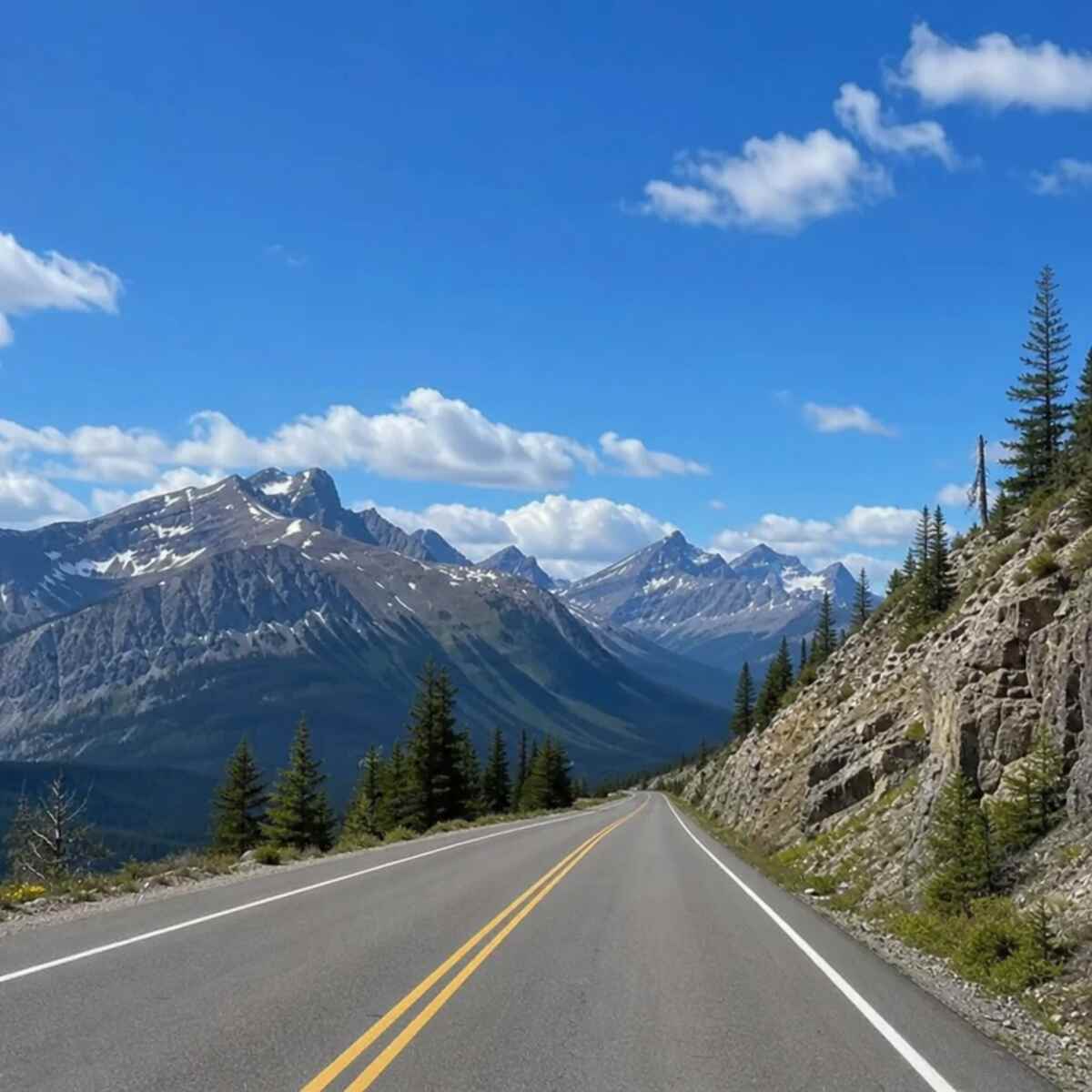
When the wanderlust hits, our first instinct is often to look across oceans and borders. We dream of passport stamps, foreign languages, and entirely different continents. However, in our rush to explore the globe, we frequently overlook the staggering beauty, diverse cultures, and profound history waiting right in our own backyards.
The concept of national travels is undergoing a massive renaissance. More than just a backup plan or a budget constraint, exploring your own country has become a primary goal for modern adventurers. From vast desert landscapes and towering mountain ranges to quirky small towns and bustling regional metropolises, the sheer variety of travel destinations within domestic borders is often enough to rival any international itinerary.
This ultimate guide will serve as your comprehensive roadmap to mastering domestic travel. Whether you are looking for a weekend getaway in the next state over, a sprawling cross-country expedition, or a deep dive into local heritage, we will cover everything you need to know.
The Art of Uncovering the Unknown
One of the greatest joys of traveling domestically is realizing how much you don’t know about the place you call home. You don’t need to cross an ocean to experience the thrill of discovery.
How to Find Hidden Gems in Your Own Country
It is easy to get tunnel vision when looking at domestic maps, focusing only on the major tourist hubs. But learning how to find hidden gems in your own country is a skill that will transform your trips from standard to extraordinary. Here is how you can uncover these local secrets:
- Dive into Local Forums and Blogs: Mainstream travel sites often highlight the same ten attractions. Instead, look into regional subreddits, local Facebook groups, or niche travel blogs written by residents. Searching for phrases like “weekend trips from [City]” or “hidden waterfalls near [Town]” often yields incredibly localized results.
- Utilize Map Exploration: Open a digital map and zoom in on green spaces, bodies of water, or oddly named towns near your route. Sometimes, a bizarrely named roadside attraction or an unmarked natural spring is just a short detour away.
- Ask the Locals (The Right Way): When you stop for coffee or gas, don’t just ask, “What is there to do around here?” Instead, ask, “Where do you take your friends when they come to visit?” or “Where do locals go to get away from the crowds on a Sunday?”
- Explore Niche Apps: Applications like Atlas Obscura, Geocaching, or Roadtrippers are goldmines for weird, wonderful, and historically significant sights that rarely make it into standard guidebooks.
State Parks: The Unsung Heroes of the Outdoors
When we think of nature, our minds immediately jump to world-famous national parks. While these parks are undeniably spectacular, they are also frequently overcrowded, expensive, and require reservations months in advance.
Enter the humble state park system. State parks often offer scenery that rivals their federally protected counterparts, but with a fraction of the crowds and a much lower entry fee. Whether it is a dark-sky preserve perfect for stargazing, a coastal reserve with secluded beaches, or a dense forest with miles of solitary hiking trails, these regional reserves are the backbone of outdoor national travels. Furthermore, they are often much more accessible, making them ideal for spontaneous day trips or last-minute weekend camping excursions.
Mastering Domestic Logistics and Transportation
How you choose to get from point A to point B within your country can dramatically alter the tone, budget, and timeline of your trip. Domestic travel offers a wealth of transportation options, each with its own set of strategic advantages.
Hitting the Road: Planning a Domestic Road Trip Itinerary
The open road is the quintessential symbol of freedom. However, a successful road trip requires more than just a full tank of gas and a good playlist. Planning a domestic road trip itinerary is an art form that balances driving time with exploration.
- Set Realistic Driving Limits: A common rookie mistake is trying to cover too much ground. Limit your driving to 4-6 hours a day. This leaves ample time for spontaneous stops, hiking, and enjoying a sit-down meal.
- The “Anchor and Spoke” Method: Instead of moving to a new hotel every night, pick a central town (the anchor) and take day trips (the spokes) in different directions. This minimizes the exhaustion of constantly packing and unpacking.
- Map Out Fuel and Food Deserts: If you are driving through remote rural areas or expansive deserts, mark gas stations on your map. Never let your tank dip below a quarter full in unfamiliar territory.
- Embrace the Scenic Byways: Turn off the highway. Opt for the secondary roads. The blue highways and scenic byways are where you will find farm stands, local diners, and the true character of a region.
Flying Smart: How to Save Money on Internal Flights
Sometimes, the distance is just too great for a car. Domestic flights can be incredibly convenient, but they can also eat up a massive portion of your budget. If you want to know how to save money on internal flights, keep these expert tips in mind:
- Fly on Off-Peak Days: Tuesdays, Wednesdays, and Saturdays are historically the cheapest days to fly domestically. Avoiding the Monday morning business rush and the Friday evening weekend-getaway surge can save you hundreds.
- Embrace Budget Airlines (with Caution): Low-cost regional carriers offer base fares that seem too good to be true. They can be a fantastic deal, provided you read the fine print. Be prepared to travel light to avoid exorbitant baggage fees, and bring your own snacks.
- Set Price Alerts Early: Use flight aggregators to set price alerts for your desired routes 2–3 months in advance. The “sweet spot” for booking domestic flights is typically 45 to 60 days before departure.
- Look into Alternate Airports: Major cities often have secondary airports. Flying into a slightly smaller regional hub can sometimes yield cheaper fares and cheaper rental car options.
Train vs Plane for Cross-Country Travel
When covering massive distances, travelers often debate the merits of rail versus air. Evaluating train vs plane for cross-country travel comes down to what you value most: time, experience, or environmental impact.
- The Case for the Plane: Unbeatable speed. If you only have a week of vacation time, spending three days on a train is impractical. Planes allow you to maximize your time on the ground at your destination.
- The Case for the Train: The journey is the destination. Cross-country trains offer spacious seating, observation cars with panoramic windows, and dining cars. You get to see the landscape shift gradually from plains to mountains to coastlines—a geographical education you completely miss at 30,000 feet. Additionally, train travel boasts a significantly lower carbon footprint per passenger compared to flying, making it a champion of eco-friendly travel.
Navigating Public Transportation in Unfamiliar Cities
Once you arrive at your domestic destination, getting around like a local is key to an authentic experience. Many travelers default to expensive rideshares, but mastering local transit is both economical and empowering.
Navigating public transportation in unfamiliar cities doesn’t have to be intimidating. Start by downloading the local transit authority’s official app, which usually provides the most accurate, up-to-the-minute schedule changes and allows you to purchase digital tickets. Google Maps and Citymapper are also invaluable for routing subway lines and bus transfers.
When you first arrive, take a moment to study the transit map at the station before approaching the ticket kiosk. Look for unlimited 3-day or 7-day visitor passes, which often pay for themselves after just a few rides. Finally, don’t be afraid to ask transit attendants for help—they are usually the best resource for figuring out which train platform you need during weekend service changes.
Structuring the Epic Journey
While a weekend getaway requires minimal forethought, embarking on a massive domestic tour requires a project manager’s mindset.
Steps to Organize a Multi-City Overland Tour
If you are planning to string together a half-dozen cities and rural stops over a few weeks, winging it will likely lead to burnout. Here are the essential steps to organize a multi-city overland tour:
- Define the Theme: Is this a culinary tour of the South? A historical tour of the East Coast? A nature tour of the Pacific Northwest? Having a unifying theme helps you filter out distractions and make tough decisions on what to cut from the itinerary.
- Determine the Pacing: The golden rule of overland travel is the “3-2-1 rule.” For every three fast-paced days of traveling and sightseeing, schedule two days of slow-paced exploration in one city, and one complete rest day where nothing is planned.
- Book Key Nodes in Advance: You want flexibility, but leaving everything to chance is risky. Book your accommodations for major cities (the nodes) well in advance, but leave the in-between transit days open for spontaneous roadside motels or campgrounds.
- Sync Your Transit Modes: If you are mixing rental cars, trains, and buses, triple-check the timetables. Always leave a buffer window of at least 3 to 4 hours when transitioning from one mode of transport to another to account for domestic delays.
Curating Your Destinations
The beauty of national travels is the sheer diversity of experiences available. Depending on your life stage, budget, and interests, your ideal destination will vary wildly.
The Best Staycation Destinations for Families
Traveling with children is rewarding, but it can also be exhausting and expensive. Sometimes, the best vacation is one that requires the least amount of transit. When looking for the best staycation destinations for families, prioritize convenience and multifaceted entertainment.
Look for regional water parks, interactive science museums, or lakeside resorts that are within a two-hour drive from your home. The goal of a family staycation is to bypass the stress of airports and long car rides, allowing the vacation to begin the moment you pull out of your driveway. Consider booking a themed hotel in your own city or renting a cozy cabin at a nearby lake. You will be amazed at how a simple change of scenery, even just 50 miles away, can provide a profound sense of relaxation for parents and excitement for kids.
The Benefits of Exploring Local Heritage Sites
Every region has a story, and uncovering it adds a rich layer of meaning to your travels. The benefits of exploring local heritage sites extend far beyond simple sightseeing; they foster a deep connection to the national narrative.
Visiting battlefields, historic homes, indigenous cultural centers, and industrial heritage museums allows you to contextualize the modern landscape. It provides an educational experience that brings history out of the textbooks and into the real world. Furthermore, your admission fees and gift shop purchases directly fund the preservation of these critical historical landmarks, ensuring that future generations can learn from them.
Strategy and Comfort on the Road
A successful trip is as much about avoiding pitfalls as it is about finding great spots. From dodging the masses to choosing where to lay your head, strategy is key.
Avoiding Peak Season Crowds at Popular Landmarks
There are some famous domestic landmarks you simply have to see in your lifetime. However, sharing a canyon rim or a historic monument with ten thousand other people can dampen the magic. Avoiding peak season crowds at popular landmarks requires a bit of tactical planning:
- The Shoulder Season Strategy: Traveling in the “shoulder seasons” (late spring and early autumn) is the best way to get decent weather with a fraction of the summer crowds.
- The Early Bird Gets the View: If you must travel in peak summer, set your alarm. Arriving at a popular landmark at 6:00 AM not only guarantees you a parking spot but also provides you with stunning sunrise lighting for photography, long before the tour buses arrive at 9:00 AM.
- Seek Alternative Entrances: Many massive landmarks or parks have a main entrance that experiences miles of traffic, while secondary entrances remain practically empty. Do your research and take the scenic back route.
Budget vs Luxury Regional Accommodation Options
Domestic travel offers a vast spectrum of lodging. Navigating budget vs luxury regional accommodation options depends entirely on what role your room plays in your trip.
If your itinerary is packed from dawn till dusk and you only need a place to shower and sleep, budget accommodations are the smart choice. Independent roadside motels have seen a massive revival in recent years; many have been renovated by young entrepreneurs into trendy, clean, and highly affordable boutique stays. Hostels are also not just for international backpackers—many domestic cities boast highly-rated, safe, and social hostels perfect for solo travelers.
Conversely, if the accommodation is the destination, pivoting to luxury is worthwhile. Regional luxury comes in many forms: historic grand hotels in city centers, high-end glamping tents in the desert, or secluded spa resorts in the mountains. Luxury accommodations often provide hyper-local concierge services, farm-to-table regional dining, and a level of comfort that turns a tiring road trip into a rejuvenating retreat.
The Practicalities: Packing and Protection
No matter how beautiful the destination, poor preparation can ruin the experience. Packing correctly and protecting your financial investment are crucial steps before departure.
Essential Packing List for Varying Regional Climates
One of the unique challenges of domestic travel in a large country is the drastic shift in weather. You could start your day in a snowy mountain pass and end it in a sunny, arid desert. Creating an essential packing list for varying regional climates relies entirely on the principle of layering.
- Base Layers: Start with moisture-wicking fabrics (like merino wool or high-tech synthetics). These keep you dry if you sweat on a hike and provide insulation when the temperature drops.
- Mid Layers: Pack a lightweight fleece or a compressible down jacket. These take up very little space in your luggage but provide massive warmth.
- Outer Shell: A high-quality, breathable rain jacket is non-negotiable. It acts as a windbreaker on a breezy coastline and keeps you dry during sudden downpours.
- Versatile Footwear: Avoid packing five pairs of shoes. You generally need only two: a comfortable, broken-in pair of walking/hiking shoes, and a casual pair of slip-ons or nicer shoes for evening dinners.
- Region-Specific Gear: Don’t forget the niche items based on your map. Bug spray and a sun hat for the South; a heavy beanie and polarized sunglasses for the North.
Is Domestic Travel Insurance Worth the Cost?
Many travelers reflexively buy travel insurance for international trips but skip it for domestic journeys. But is domestic travel insurance worth the cost? The answer is: it depends on your itinerary.
If you are taking a cheap weekend road trip and staying in a flexible-cancellation hotel, insurance is likely a waste of money. However, you should strongly consider purchasing a policy if:
- You Have Prepaid, Non-Refundable Costs: If you are booking expensive domestic flights, luxury cabin rentals, or costly multi-day guided tours, trip cancellation insurance protects your investment if you fall ill or a family emergency occurs.
- You Are Renting an RV or Car: While your primary auto insurance might cover rental cars, travel insurance can often provide additional primary collision damage waivers, meaning you won’t have to pay a massive deductible if you get into a fender bender.
- Your Health Insurance is Highly Regional: Some health insurance plans (like certain HMOs) offer very limited coverage once you cross state lines. If you are engaging in high-risk activities like skiing or mountain biking out of state, a travel medical policy can cover out-of-network emergency room visits and medical evacuations.
Traveling with Purpose: Sustainability and Community
As domestic tourism booms, it brings both economic opportunity and environmental strain to local communities. It is our responsibility to ensure our travels leave a positive impact.
Sustainable Domestic Tourism Practices
Exploring our own country means taking ownership of its preservation. Adopting sustainable domestic tourism practices ensures that the hidden gems we discover today remain pristine for tomorrow.
- Practice Leave No Trace: Whether you are in a protected state park or an unmarked forest trail, whatever you pack in, you must pack out. Stay on marked trails to prevent soil erosion and protect local flora.
- Minimize Single-Use Plastics: Road trips are notorious for generating trash via bottled water and gas station snacks. Bring a high-quality reusable water bottle, a thermos for coffee, and reusable shopping bags.
- Offset Your Carbon: If you are flying or driving long distances, look into reputable carbon offset programs that invest in domestic forestry or renewable energy projects.
Supporting Local Economies Through Regional Tourism
Where you spend your money matters immensely. One of the greatest benefits of national travels is the ability to directly uplift fellow citizens. Supporting local economies through regional tourism is simple but requires conscious decision-making.
Skip the massive chain restaurants and drive-thrus. Instead, seek out the mom-and-pop diners, the regional food trucks, and the independent coffee shops. When buying souvenirs, avoid mass-produced trinkets at big-box stores; visit local artisan markets, indigenous craft cooperatives, or regional art galleries. By keeping your money within the local ecosystem, you help small towns thrive and maintain their unique character against the tide of corporate homogenization.
Cultural Immersion in Rural Communities
We often associate “cultural immersion” with learning a foreign language or traveling abroad. However, domestic travel offers profound opportunities for cultural immersion in rural communities.
Every region has its own distinct dialect, culinary traditions, musical heritage, and pace of life. To truly experience this, you must slow down. Attend a small-town county fair, a regional rodeo, or a local harvest festival. Strike up conversations with farmers at a roadside produce stand or listen to live bluegrass at a rural tavern. By approaching your own country with the same curiosity and respect you would give a foreign nation, you bridge regional divides and gain a richer, more nuanced understanding of your homeland.
Conclusion
The vast expanse of your own country is a playground of endless possibilities. National travels offer a unique blend of comfort and adventure, familiarity and surprise. From the quiet serenity of secluded state parks to the bustling energy of regional cities, there is a lifetime of exploration waiting just beyond your doorstep.
By planning meticulously, embracing sustainable practices, and daring to look past the major tourist traps, you can uncover the hidden gems that give your country its true character. Whether you choose to fly, take the train, or hit the open road, the ultimate domestic adventure is yours to create. So pack your bags, consult your map, and set out to discover the extraordinary sights hidden right in your own backyard.