

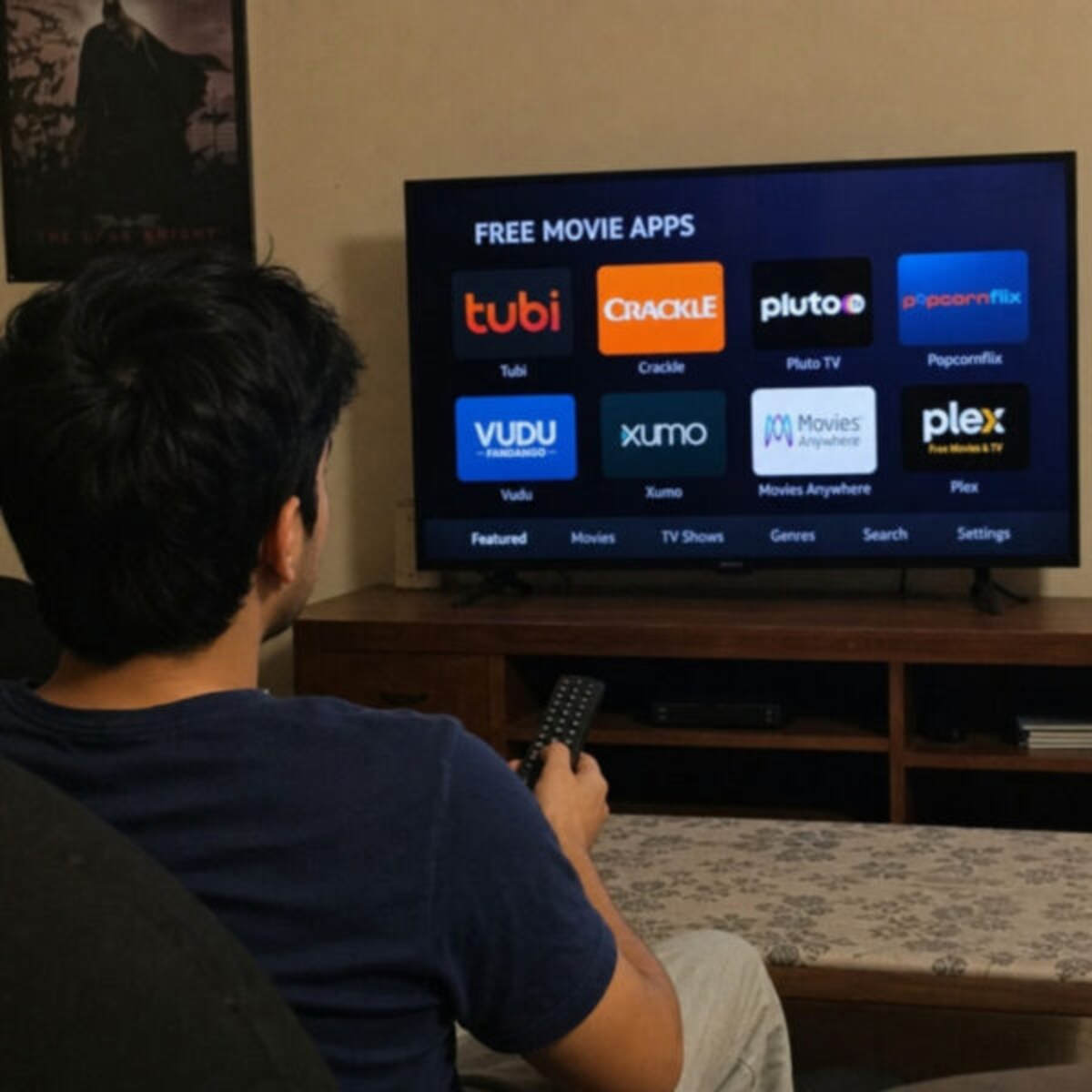
Free movie streaming is no longer a shady corner of the internet. Done the right way, it simply means watching licensed movies through platforms that are paid for by ads, supported by libraries, offered by public media, released into the public domain, or included in a limited free trial. The Interesting Info about ดูหนังฟรี.
The key phrase is done the right way. Plenty of “free movie sites” promise every new release with no ads, no account, and no catch. That is usually a red flag. Legal free options look a little different: they may show commercials, require a library card, rotate their catalogs, limit how many titles you can borrow, or offer only older and independent films. The tradeoff is worth it: you get a safer, cleaner, and more reliable way to watch movies for free without supporting piracy.
Below is a practical guide to the best legal movie streaming sites and services to try, plus how to choose the right one for your movie night.
What counts as a legal free movie site?
A legal free movie site has permission to stream the movies it offers. That permission may come from a studio licensing deal, a public library partnership, a public media agreement, a public domain collection, or a temporary promotional offer.
Most legitimate free options fall into four buckets:
- Ad-supported streaming services: You watch movies for free, and the service pays for licensing through commercials.
- FAST channels: FAST means free ad-supported streaming TV. These are lean-back channels that feel like cable TV, often with movie channels, genre channels, and live linear programming.
- Library streaming: Your public library or university pays for access, and you sign in with a library card or institution login.
- Public domain and archive collections: Some films are free to watch because copyright restrictions have expired or because the rights holder has made them available.
This matters because “free” is not the same as “legal.” The best free movie sites are transparent about their model. They usually have official apps, recognizable brand ownership, privacy policies, help centers, and visible ads or library authentication.
Quick list: the best legal websites to watch movies for free
If you want the short version, start with these:
- Tubi for a broad, easy-to-browse ad-supported movie library.
- Pluto TV for free live movie channels and on-demand titles.
- The Roku Channel for free movies, Roku Originals, and live channels.
- YouTube Movies & TV for official “free with ads” movies.
- Prime Video Free with Ads for Amazon’s free streaming section.
- Plex for free movies, shows, and live TV alongside personal media tools.
- Fandango at Home for free-with-ads films plus rental and purchase options.
- Xumo Play for free live channels and on-demand movies.
- Sling Freestream for free live and on-demand entertainment.
- Kanopy for acclaimed films through participating libraries.
- Hoopla for library-card movie borrowing.
- PBS for documentaries, independent films, and public media programs.
- Internet Archive for public domain and open-access film collections.
- Library of Congress for historic films and curated public-access screenings.
- JustWatch as a discovery tool to find where a movie is legally streaming for free.
One note before we go deeper: catalogs change constantly. A movie available free today may move to a rental platform next month. Use this list as a safe starting point, not as a guarantee that a specific title will always be free.
1. Tubi
Tubi is one of the easiest recommendations for beginners because it behaves like a modern streaming app, but without a subscription fee. Its own help center describes Tubi as a free and legal streaming service supported by short ad breaks during movies and shows. The service also says it offers free streaming content from studios such as Paramount, Lionsgate, MGM, and others. (tubitv.com)
Best for: viewers who want a Netflix-like browsing experience without paying for Netflix.
Tubi works well when you do not have a specific movie in mind. Open the app, pick a genre, and you can usually find something watchable in a few minutes. Its strengths are volume, variety, and low friction. You will find mainstream titles, older studio films, cult favorites, documentaries, thrillers, horror, action, family movies, and reality TV.
What to expect:
- Commercial breaks during the movie
- A rotating catalog
- Free apps on many devices
- No need to rent or buy individual movies
- A mix of recognizable films and lesser-known titles
Tubi is a strong first stop if you are searching for free movie sites that feel legitimate and easy to use.
2. Pluto TV
Pluto TV is built around two viewing habits: channel surfing and on-demand streaming. Its official site promotes hundreds of free channels plus thousands of free movies and TV shows, and its device page notes that viewers can stream live channels and on-demand movies through supported devices. (pluto.tv)
Best for: people who miss the simplicity of turning on TV and seeing what is playing.
Pluto TV is especially useful when you want background viewing. You can open a movie channel and let it run, which makes it great for casual weekend watching, genre marathons, or family rooms where nobody wants to make a 20-minute decision.
What to expect:
- Live movie channels
- On-demand movies
- Commercial breaks
- A cable-like guide
- The occasional “I forgot this existed” classic
Pluto TV is not always ideal if you want to start a specific movie at a specific time. But if your goal is to watch movies for free without overthinking it, Pluto TV does that job beautifully.
3. The Roku Channel
You do not need to own a Roku device to appreciate The Roku Channel, although Roku hardware users will find it especially convenient. Roku’s support materials describe The Roku Channel as a place to access more than 500 live channels, Roku Originals, free TV shows, and movies. Roku also notes that it is available on Roku devices, compatible Samsung Smart TVs, compatible Amazon Fire TV devices, the Roku mobile app, and TheRokuChannel.com. (support.roku.com)
Best for: viewers who want a polished free streaming hub with live channels and on-demand choices.
The Roku Channel often feels more organized than some free streaming services. It combines live TV, movies, shows, and premium subscription add-ons in one place. That means you should pay attention to labels: some content is free, while some may require a separate subscription or rental.
What to expect:
- Free movies and shows
- Live streaming channels
- Roku Originals
- Ads during free content
- Premium add-ons mixed into the interface
The biggest tip is simple: look for the free labels before pressing play. Once you get used to the layout, The Roku Channel can become a dependable part of your free streaming rotation.
4. YouTube Movies & TV
YouTube is not just short clips, trailers, and creator videos. YouTube’s help center explains that its Free Primetime Movies & Shows program includes titles that can be watched with ads, and it notes that users with YouTube Premium or Premium Lite may see eligible titles without ads. (support.google.com)
Best for: quick access, casual browsing, and finding official free-with-ads films on a platform you probably already use.
The advantage of YouTube is familiarity. You may already have the app on your phone, TV, tablet, gaming console, or browser. Search for a title, check whether the official Movies & TV listing says it is free with ads, and press play.
What to expect:
- Official free-with-ads movies
- Rentals and purchases mixed into search results
- Strong device support
- Easy casting to TVs
- A catalog that changes over time
Be careful not to confuse an official free movie listing with random uploads. A full-length movie uploaded by an unknown account may not be authorized. Stick with official YouTube Movies & TV pages, verified channels, or legitimate rights-holder uploads.
5. Prime Video Free with Ads
Amazon’s free streaming world has shifted over the past few years. Instead of treating Freevee as the main separate brand, Amazon has increasingly folded free ad-supported viewing into Prime Video. Prime Video has a “Watch Free Movies, TV Shows & Live TV” collection and also labels some titles as “Free with ads.” (primevideo.com)
Best for: people who already use Amazon devices or the Prime Video app and want to find free titles without switching platforms.
This option can be slightly confusing because Prime Video contains multiple viewing models at once: Prime membership titles, rentals, purchases, add-on channels, live TV, and free-with-ads content. If you are specifically trying to watch for free, look carefully for the “free with ads” or “watch with ads” label.
What to expect:
- Free ad-supported movies and shows
- FAST channels
- Rental and purchase options in the same app
- Some titles that require Prime or another subscription
- Strong support on Fire TV and many smart TV platforms
If you see an old Freevee mention online, check Prime Video directly. The free content may still exist, but the branding and location may have changed.
6. Plex
Plex is known for personal media libraries, but it also offers free ad-supported movies, shows, and live TV. Plex says its free and legal service includes ads that monetize content from partners, and it notes that a free Plex account can support features such as a universal watchlist and continuing playback across devices. (watch.plex.tv)
Best for: viewers who want free streaming plus a broader media organization tool.
Plex is a good choice if you like having one place to manage what you want to watch. You can browse free titles, track movies across streaming services, and use Plex’s media-server features if you have your own digital collection.
What to expect:
- Free ad-supported movies and shows
- Live TV channels
- Optional account features
- Personal media tools
- A catalog that leans toward variety rather than only major new releases
Plex is not the simplest option on this list, but it rewards viewers who like organizing their entertainment life.
7. Fandango at Home
Fandango at Home, formerly associated with the Vudu brand, offers a mix of free, rental, and purchase options. Its browse pages include a “View All Free Movies & TV” area, and its app listing describes access to thousands of free movies and free TV shows with limited commercials. (athome.fandango.com)
Best for: people who want free movies but also like the option to rent or buy newer titles in the same ecosystem.
This is a useful service when you are comparing options. Maybe a movie is not free today, but it is cheap to rent. Or maybe you came to rent a new release and discovered a free-with-ads movie for later.
What to expect:
- Free-with-ads movies and shows
- Rentals and digital purchases
- Frequent deal sections
- Account-based viewing
- A catalog that combines free and paid options
Just be mindful of the play button. If the page shows rent, buy, and free-with-ads choices, choose the free option intentionally.
8. Xumo Play
Xumo Play is a free ad-supported streaming service with live channels and on-demand content. Xumo’s support page describes Xumo Play as a destination for free live and on-demand streaming entertainment, with more than 300 channels and tens of thousands of movie and TV titles. Xumo also describes the service as free, ad-supported, and available without a subscription, login, or commitment. (support.xumo.com)
Best for: viewers who want a no-fuss mix of live channels and on-demand movies.
Xumo Play is particularly good for channel browsing. You may find movie channels, genre channels, news, lifestyle, comedy, and niche entertainment. Like Pluto TV, it is ideal when you want something on now rather than a specific blockbuster on demand.
What to expect:
- Free live channels
- On-demand movies
- Ads
- Minimal commitment
- Strong lean-back viewing
Xumo Play may not always be the first name people remember, but it belongs on any list of legitimate free movie streaming sites.
9. Sling Freestream
Sling Freestream is Sling’s free live and on-demand TV offering. Sling describes it as free live and on-demand TV, and its own programming page promotes hundreds of free live TV channels plus free TV shows and movies on demand. (sling.com)
Best for: cord-cutters who want free channels without paying for a full live TV package.
Sling Freestream can be a smart option if you are curious about Sling but not ready to pay. It gives you a lighter, free way to browse channels and on-demand titles. You may need the Sling app for phone, tablet, TV, or streaming device viewing.
What to expect:
- Free live channels
- On-demand movies and shows
- Ads
- Optional paid Sling plans nearby
- A familiar live TV interface
For movie lovers, Sling Freestream is less about rare cinema and more about accessible entertainment. It is a good “what’s on?” service.
10. Kanopy
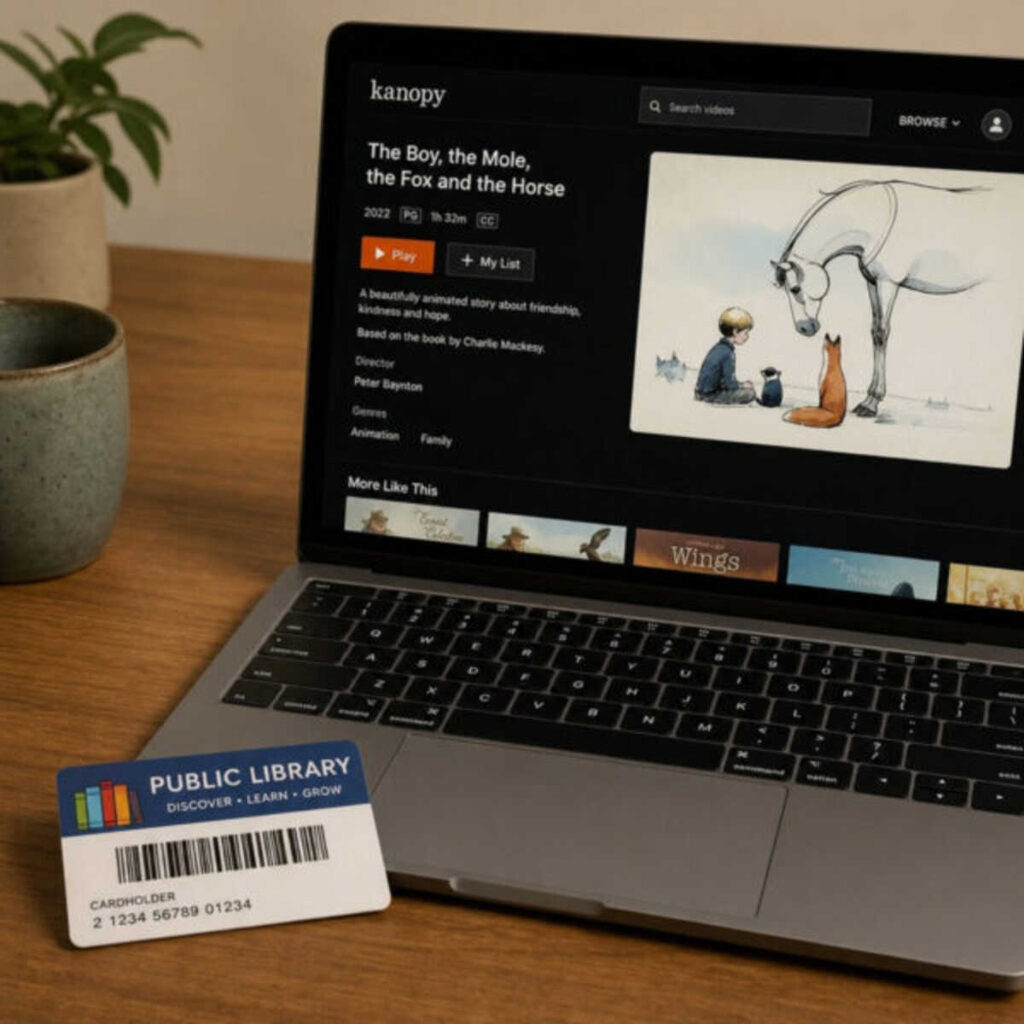
Kanopy is one of the best legal ways to watch quality films for free if your library or university participates. Kanopy’s library-facing information describes free film and video viewing for patrons, no-charge curated films, and library access to a large collection that includes classics, comedies, dramas, independent films, and niche films. Its help center also explains that some public-library patrons can watch unlimited viewing titles without using tickets. (lib.kanopy.com)
Best for: film students, documentary fans, independent cinema lovers, and anyone who wants fewer ads and more curation.
Kanopy feels different from many ad-supported services. Instead of endless channel surfing, it often feels like a thoughtful library shelf. You may find international films, classic cinema, festival titles, documentaries, educational videos, and family-friendly Kanopy Kids content.
What to expect:
- Library card or university login required
- Monthly ticket or viewing limits in many library systems
- Some unlimited viewing collections
- Strong documentary and independent film selections
- No traditional ad-supported feel
Availability depends on your library. If you do not see Kanopy listed on your local library’s digital resources page, ask a librarian. Libraries regularly change digital offerings based on budgets and community demand.
11. Hoopla
Hoopla is another excellent library-based option. Hoopla says users can watch free online movies with a library card and describes itself as an online library streaming service for borrowing movies, TV, audiobooks, eBooks, comics, and music with no monthly fee or subscription. (hoopladigital.com)
Best for: families, casual movie watchers, and library users who want instant borrowing.
Hoopla is often broader and more mainstream than people expect. Depending on your library, you may find children’s movies, comedies, documentaries, faith-based titles, Hallmark-style films, cult favorites, and recognizable older studio movies.
What to expect:
- Library card required
- Borrowing limits set by your library
- Movies and TV alongside books, comics, music, and audiobooks
- Apps for many common devices
- Download options for many mobile titles
Hoopla and Kanopy are worth checking even if you already use ad-supported services. Your tax dollars or library membership may already be paying for access.
12. PBS
PBS is not a traditional “movie site,” but it is a valuable free streaming source for documentaries, public affairs programs, independent films, and educational storytelling. PBS says many videos on the PBS website and app can be watched without a fee or PBS account, while some videos are restricted to PBS Passport members. PBS also says local livestreams can be watched on the website and app without a donation or fee, subject to local availability. (help.pbs.org)
Best for: documentary fans, history lovers, science viewers, and anyone who values public media.
If your idea of a good movie night includes a powerful documentary or an independent public television film, PBS belongs in your free streaming toolkit. Look at PBS, FRONTLINE, POV, American Experience, NOVA, Nature, and local station pages.
What to expect:
- Many free videos
- Some time-limited availability
- Some Passport-only content
- Local livestream access in eligible areas
- Excellent documentary and educational programming
PBS is especially useful when you want something meaningful, not just something free.
13. Internet Archive
The Internet Archive can be a treasure chest for older films, educational films, newsreels, shorts, ephemera, and public domain material. Its help documentation says users may upload movies they own the copyright to, or that are in the public domain, and it emphasises free access to information with formats that are easy to download or stream. (archivesupport.zendesk.com)
Best for: classic film explorers, researchers, teachers, silent film fans, and curious viewers.
The Internet Archive is not as polished as a commercial streaming app. That is part of its charm and part of its learning curve. You may need to search, filter, and verify metadata. Some films are beautifully preserved. Others may have rough transfers, incomplete information, or uncertain quality.
What to expect:
- Public domain and open-access films
- Historic shorts and educational films
- Variable video quality
- Download and streaming options on many items
- A research-oriented interface
Use the Internet Archive when you are willing to explore. It is less like walking into a multiplex and more like wandering through a fascinating media library.
14. Library of Congress
The Library of Congress is a superb source for historic and culturally important films that are available online. Its National Film Registry page explains that not all Registry selections can be posted because of copyright concerns, but some are available in the Library’s National Screening Room, some are public domain, and some are linked through approved viewing options. (loc.gov)
Best for: viewers interested in film history, American culture, early cinema, preservation, and educational use.
This is not where you go for the latest superhero movie. It is where you go to understand cinema as cultural memory. You may find early silent films, newsreels, experimental works, documentaries, and historically significant moving-image materials.
What to expect:
- Curated historic films
- Public domain and approved viewing links
- Preservation-focused context
- A smaller but highly valuable collection
- Excellent educational value
If you are building a film literacy habit, bookmark the Library of Congress. It is one of the most trustworthy free film resources available.
15. JustWatch
JustWatch is not primarily a movie streaming site, but it is one of the most useful tools for finding legal free streams. JustWatch describes itself as a free streaming guide that helps users find where to watch movies and shows online, and its site includes ways to discover movies and shows available to watch for free. (support.justwatch.com)
Best for: checking whether a specific movie is free before you rent it.
Here is the simple workflow:
- Search the movie title on JustWatch.
- Set your country or region correctly.
- Filter by free, ads, subscription, rent, or buy.
- Confirm the result on the official streaming service.
- Watch through the legal provider.
This saves time because free catalogs move around. Instead of opening six apps, you can search once and see where a title may be legally available.
Legal ways to watch movies for free
The best strategy is not to rely on one site. Build a small rotation of legal options, so you always have something to watch.
Use ad-supported services
Start with Tubi, Pluto TV, The Roku Channel, YouTube Movies & TV, Prime Video Free with Ads, Plex, Fandango at Home, Xumo Play, and Sling Freestream. These services are free because advertising helps cover content costs. You pay with attention instead of money.
This model is best for:
- Weekend movie nights
- Casual browsing
- Older studio films
- Genre movies
- Comfort watches
- Background entertainment
The downside is ads. The upside is that you do not need to hand over a monthly subscription fee.
Use your library card
Kanopy and Hoopla are two of the best-kept secrets in free streaming. If your library participates, you may get access to movies that are not easy to find on ad-supported platforms.
This model is best for:
- Independent films
- International cinema
- Documentaries
- Kids’ content
- Educational viewing
- Viewers who dislike ads
Borrowing limits vary by library, so check your local rules.
Explore public domain collections
Public domain films can be watched, shared, and studied more freely than copyrighted films, though availability and rights can vary by country. The Library of Congress notes that it cannot post all films because of copyright concerns, which is a helpful reminder that “old” does not always mean “public domain.” (loc.gov)
This model is best for:
- Silent films
- Classic horror
- Early animation
- Film noir
- Educational shorts
- Historical research
If you are unsure whether a film is public domain, rely on reputable institutions and archives rather than random uploads.
Use free trials carefully
Free trials can be legal and useful, but they are not the same as permanent free streaming. Trial offers change, and they often require a payment method. If you use one, set a reminder before renewal, read the terms, and cancel on time if you do not want to continue.
This model is best for:
- Watching one specific title
- Testing a paid service
- Short-term binge watching
- Comparing streaming libraries
Do not sign up for a “free trial” on a site you do not recognize. Stick with official streaming brands and app stores.
How to tell whether a free movie site is safe
A safe free movie site usually has a few obvious signs of legitimacy:
- It has official apps in major app stores.
- It explains why the content is free.
- It shows ads rather than promising impossible access to every new release.
- It does not force suspicious downloads.
- It does not ask for unnecessary personal information.
- It has a clear privacy policy and help center.
- It labels paid rentals, subscriptions, and free-with-ads titles clearly.
On the other hand, be cautious if a site:
- Claims to have every theater release immediately for free.
- Opens endless pop-ups.
- Requires a special video player download.
- Pushes browser notification permissions before playback.
- Uses misspelled domain names or clones of famous brands.
- Has no visible company information.
- Asks for card details while claiming the movie is completely free.
The FTC warns that illegal pirated streaming apps and sites can spread malware, steal login credentials, expose personal information, and put other devices on your network at risk. Its advice is blunt: avoid pirated content if you want to reduce malware risk. (consumer.ftc.gov)
Sites to be careful with in older “best free movie sites” lists
Some older articles still recommend services that are no longer reliable, no longer active, or confusing because ownership and availability changed.
For example, Crackle appears in many older free-streaming lists, but Sony’s support page says the Crackle streaming service has ended and that no content is available for streaming through the app. (sony.com)
That does not mean every older recommendation is dangerous. It means free streaming changes fast. Before creating an account or downloading an app, confirm that the service still exists, is still official, and is still available in your country.
How to choose the best free movie site for your needs
The “best” free movie site depends on what kind of viewer you are.
Choose Tubi if you want the broadest simple starting point.
Choose Pluto TV or Xumo Play if you like live channels and casual browsing.
Choose The Roku Channel if you want a polished hub with free movies, originals, and live channels.
Choose YouTube Movies & TV if you want fast access from a familiar app.
Choose Prime Video Free with Ads if you already use Amazon’s video ecosystem.
Choose Plex if you want free streaming plus watchlist and personal media features.
Choose Fandango at Home if you want free movies alongside rentals, purchases, and deals.
Choose Sling Freestream if you want free live TV energy without a paid cable replacement plan.
Choose Kanopy if you love curated, acclaimed, independent, international, or educational films.
Choose Hoopla if your library offers it and you want easy borrowing across movies, books, music, and more.
Choose PBS if you want documentaries, public media, and educational storytelling.
Choose Internet Archive or Library of Congress if you want historic, public domain, or preservation-focused films.
Choose JustWatch when you know the movie title but do not know where it is legally available.
A simple free movie night setup
If you want a practical setup, install or bookmark five things:
- Tubi for on-demand browsing.
- Pluto TV for live movie channels.
- YouTube Movies & TV for official free-with-ads titles.
- Kanopy or Hoopla if your library supports either service.
- JustWatch to search for specific movies before renting.
That combination covers most casual needs. You get ad-supported movies, live channels, library access, and a discovery tool.
FAQ
What is the best website to watch movies for free legally?
For most people, Tubi is the easiest place to start because it is free, legal, ad-supported, and has a large rotating catalog. Pluto TV, The Roku Channel, YouTube Movies & TV, and Prime Video Free with Ads are also strong choices.
Are free movie streaming sites legal?
Some are, and some are not. Legal free movie sites have permission to show the films. They may be ad-supported, library-funded, public media platforms, or public domain archives. If a site promises every new release for free with no clear licensing model, be skeptical.
Do I need an account to watch free movies?
Sometimes. Some services let you watch with no account, while others require a free account to save watchlists, resume playback, verify age settings, or use apps. Library services usually require a library card.
Why do free movie sites have ads?
Ads are how many free services pay for licensing, hosting, apps, and operations. In simple terms, advertisers help cover the cost so viewers do not have to pay a monthly fee.
Can I watch new movies for free legally?
Sometimes, but not usually immediately after theatrical release. Newer films are more likely to appear first as rentals, purchases, paid subscriptions, or premium video-on-demand. Free legal platforms tend to have rotating catalogs of older, independent, documentary, niche, or previously released titles.
Are public domain movies always safe to stream?
Public domain status helps with legality, but safety still depends on the site. Use reputable archives and institutions. Avoid random pages that use public domain language as bait for pop-ups, downloads, or suspicious ads.
What is the safest way to watch movies for free?
Use official apps and websites from recognizable services, your public library’s digital resources, public media platforms, and reputable archives. Avoid piracy sites, unknown downloads, and fake “free HD” players.
Final takeaway
You have plenty of legal ways to watch movies for free. The smartest approach is to mix ad-supported services, library streaming, public media, public domain archives, and occasional free trials.
Start with Tubi, Pluto TV, The Roku Channel, YouTube Movies & TV, Prime Video Free with Ads, Plex, Fandango at Home, Xumo Play, and Sling Freestream for everyday viewing. Then add Kanopy, Hoopla, PBS, the Internet Archive, and the Library of Congress when you want something more curated, educational, historic, or ad-light.
Free does not have to mean risky. Choose licensed platforms, watch for clear labels, skip piracy, and your next movie night can be both budget-friendly and safe.